
Inger’s Last Wish
PREMEDITATED: On September 8. 2018, Dagbladet’s opinions section received an email from Arne Svalastog. The chronicle he supplied was written by his wife – who was dead. Inger Staff-Poulsen had performed euthanasia – as she called it herself. In the chronicle she explained why.
Photo: Arne Svalastog
During the autumn of 2018 a chronicle arrived in the mailbox of Dagbladet’s opinion department. The chronicle was written by Inger Staff-Poulsen (57) who was ill with cancer. She argued that patients who suffered greatly should have the right to receive help with ending their lives.
“When animals get acutely ill, loving owners are informed that the most humane act is to put the animal to sleep,” she wrote. “However, human beings are to be tormented, suffer pain and to be tortured until their last breath in an enclosed sick room.”
It was her husband who had sent the chronicle. By then, Inger herself had been dead for four months.
Euthanasia is forbidden in Norway. If you assist someone in taking their own life, you can be sentenced to 8 to 21 years in prison. This is also the case when whoever wishes to commit suicide is terminally ill, with no higher wish than to die.
Inger Staff-Poulsen was in her last stages of ovarian cancer. She had passed any hopes of recovery and was suffering greatly. Despite this, she was fully committed to complete her chronicle before she died. “I feel that my view on euthanasia is an important contribution to the debate,” she wrote.
Euthanasia is a controversial issue which raises many ethical questions. Can we, as a society, accept that someone with full awareness deliberately helps shorten another person’s life? Who should have the right to decide whether a life is too painful to live or not? Inger Staff-Poulsen’s opinion was that this decision should remain with the dying person, and not with politicians and lawyers.
“We have the freedom to choose what life we wish to live, in the same way we should have the liberty to die in a way that suits us best,” Inger wrote. She herself dreamed about what she called “the perfect death:” To sit on a gold embroidered bed spread from Marrakesh and toast her nearest and dearest in champagne, before getting as merciful and professional help as possible to fall asleep.
She never lived to see such a death. Instead she chose to take matters in her own hands, leaving on her own to end her suffering. But the most brutal chapter of her life, was still ahead of her.
This is Inger’s story.
CABIN LIFE: Quality – not quantity – of life, became important for Inger after she got ill. Together with Arne she enjoyed good meals, drank prosecco and went for regular trips – among other destinations to their beloved cabin in Gvarv, in the mountainous region of Telemark.
Photo: Agnete Brun
Should a dying person be able to receive help with ending one’s own life? Inger Staff-Poulsen’s opinion was, yes. But for her, the end turned out to be even more brutal.
“Now I have finished my chronicle,” Inger said. “Now I can’t delay it any longer.”
The calendar showed April 23rd, 2018. Spring had properly begun to thaw the Telemark region and the ground around the farm at Gvarv. Inger said to her husband Arne: “Tomorrow I have to leave. If you think you can manage it, I want you to drive me to the station. If not, I can take a taxi.”
She had planned in detail how she wanted the morning to pass, from the moment she said goodbye to her home for the last time, until she boarded the train. “The dog cannot come with us,” she said. “And I have not got the strength to say goodbye to you. You have to stay in the car.”
Arne did not know where his wife was going. All he knew was that the next time he saw her, she would be dead.
Inger had been given the diagnosis five years earlier. For a long time, she had felt that something was wrong. She felt shortness of breath, being worn out, and during walks in the forest, she was breathing and puffing so heavily that Arne finally asked her: “But Inger, what is wrong with you?”
Her ovarian cancer had reached the fourth and final stage when it was finally discovered. The doctors told her that the chemotherapy could extend her life somewhat, but, regardless of that, the illness would drastically shorten her life.
Inger started to read everything she could find about the illness, treatment procedures, side effects, loss of hair, chemotherapy and radiation. During consultations at the hospital she knew to a large extent what their messages meant. Meanwhile she felt how the cancer progressed; she was always a step ahead.
Inger’s mother had also suffered from cancer. The doctors could not do anything for her either. Inger had seen her mother spend the last weeks of her life in a morphine induced slumber in the palliative ward of the hospital. She did not wish this for herself. More than anything, she feared lying helpless in a hospital bed and just exist.
Very soon Inger was not only reading about ovarian cancer, but also about a possible way out of this life.
Arne did not know where his wife was going. All he knew was that the next time he saw her, she would be dead.
– She wanted to decide for herself. She was determined not to enter the final stages of the illness, Arne Svalastog (58) tells Magasinet.
He and Inger found each other late in life, they had 14 years together as a couple. After the illness knocked on their door, they had four surprisingly good years – and one very painful. Now Arne has been a widower for nine months.
– Inger had never believed that her final days in a hospital would be dignified. When she was given the death sentence, she saw her life quality as preferable to life quantity.
Arne is sitting by his dining room table. He is looking at the CD-shelf, which Inger herself had designed and built. She was always occupied with several ongoing projects, these could be making her own furniture, sewing a “bunad” (Norwegian national outfit) to her niece, or making warm clothes to the beige puddle Rask. Now she also made her own death into a project.
– Rather early she started to talk about Switzerland and euthanasia, Arne says.
– But I did not want to hear anything about it.
Inger had read about the organisation Dignitas outside Zurich. Since its foundation in 1998, Dignitas has offered assisted suicide. Contrary to Norway and most other European countries, Switzerland has legalised assisted suicide. By the end of 2018, around 40 Norwegians were members of Dignitas. In total they have over 9000 members, and approximately 200 persons end their lives there every year.
At Dignitas the patients receive a ready mixed poison, which they then have to drink themselves.
Within a short period of time, the patient falls asleep without any pain. A similar organisation is Life Circle, also in Switzerland. There the patient is given the poison intravenously and the dying person must undo the last screw for the liquid to pour through. Last year two Norwegians ended their lives there.
Dignitas’ motto is: “To live with dignity – and die with dignity”. Inger liked that idea.
– To begin with I tried to remain positive about travelling to Switzerland. But I believe it was impossible not to hear that I found it unbearably tough, Arne says.
He’s cried too many tears for his eyes to contain them. They begin falling down his cheeks.
– In retrospect, I realise how much better that would have been. Then I could have held her hand.
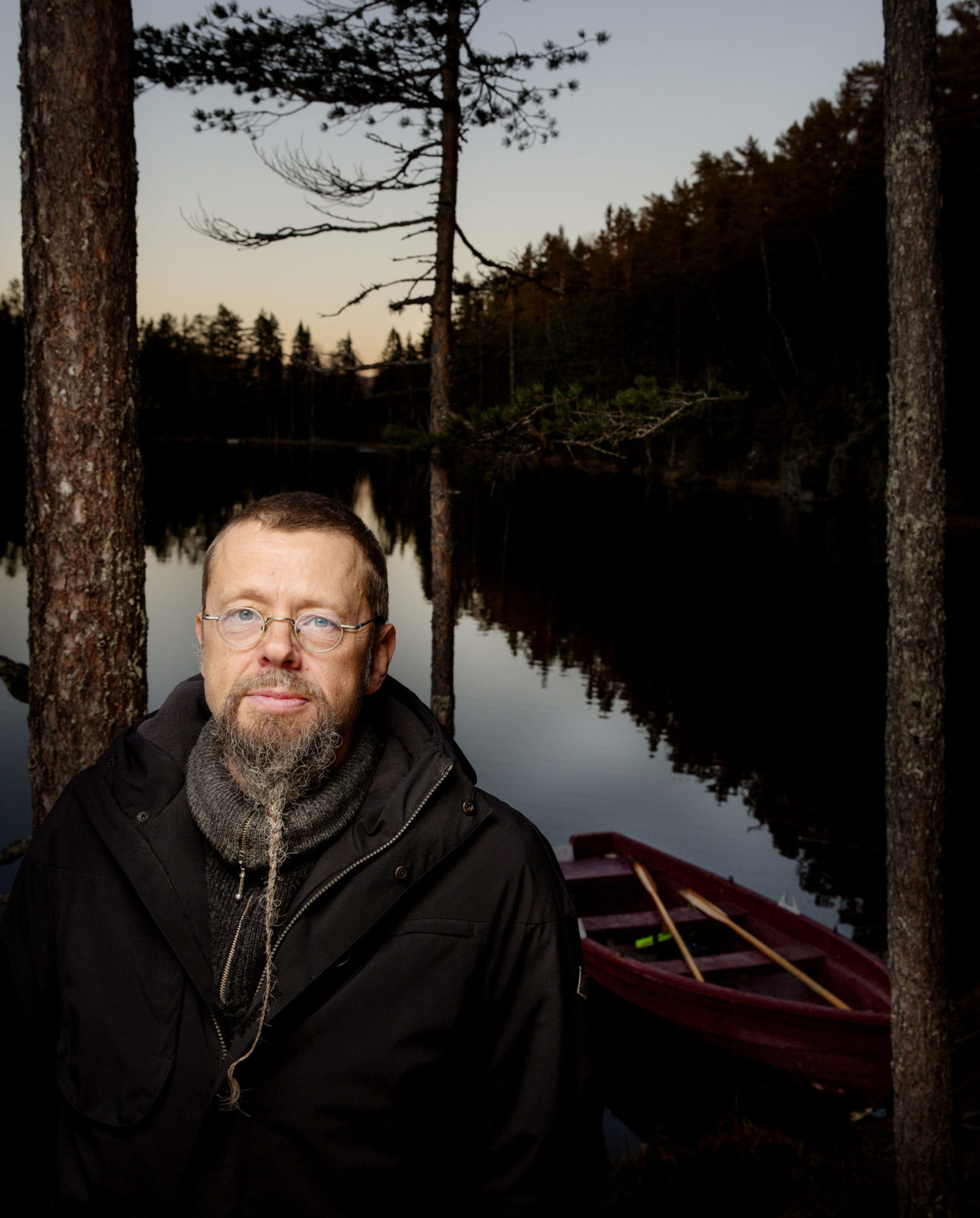
OPENED THE DOOR: When Inger first began talking about finishing her life at a clinic in Switzerland, Arne was skeptical. Now his doubts have disappeared, and he’s become a member of the Norwegian euthanasia lobby organization.
Photo: Agnete Brun
Inger and Arne went to the same high school. He was a farmer’s son, she was a banker’s daughter from Nesodden, who attended a boarding school in Telemark. Once they danced together at a Christmas ball. Otherwise they were not too much in contact during their time at school. Inger moved back to Oslo when she had finished school while Arne gradually followed in his mother’s footsteps and took over the farm. They lived half their lives separately before they met again at a school reunion 25 years later. They were seated opposite each other at the table.
Inger was experienced in the ways of the world, and had lived in New York, Paris, and Hamburg. She had studied to be a graphic designer Westerdals School of Art, and a clothes designer at Esmod Fashion School. Arne had always thought of her as being “in a different league” than himself. But after they met again, at the school reunion party, it did not take long before they became an item.
Inger handed in her notice in Oslo and moved out of her flat in Frogner. She enrolled in a teachers’ college, and moved, with her cats, to Arne’s farm. From there she commuted weekly to Røyken and her job as a teacher, while Arne made sure the blackcurrants they grew on the farm got properly big and juicy. They travelled together to Japan and Italy, went for walks in the woods, bathed, enjoyed good meals and drank prosecco.
When Inger became ill, she was determined to spend her time carefully. The couple spent one winter in Berlin, while her condition stilled allowed it. If they were going out and Arne had to finish off something first, she went ahead and let him catch up. Inger did not want to waste any time waiting.
She told him: “Arne you have to take pictures of me while I still have my hair, so that we can remember what I actually look like.”
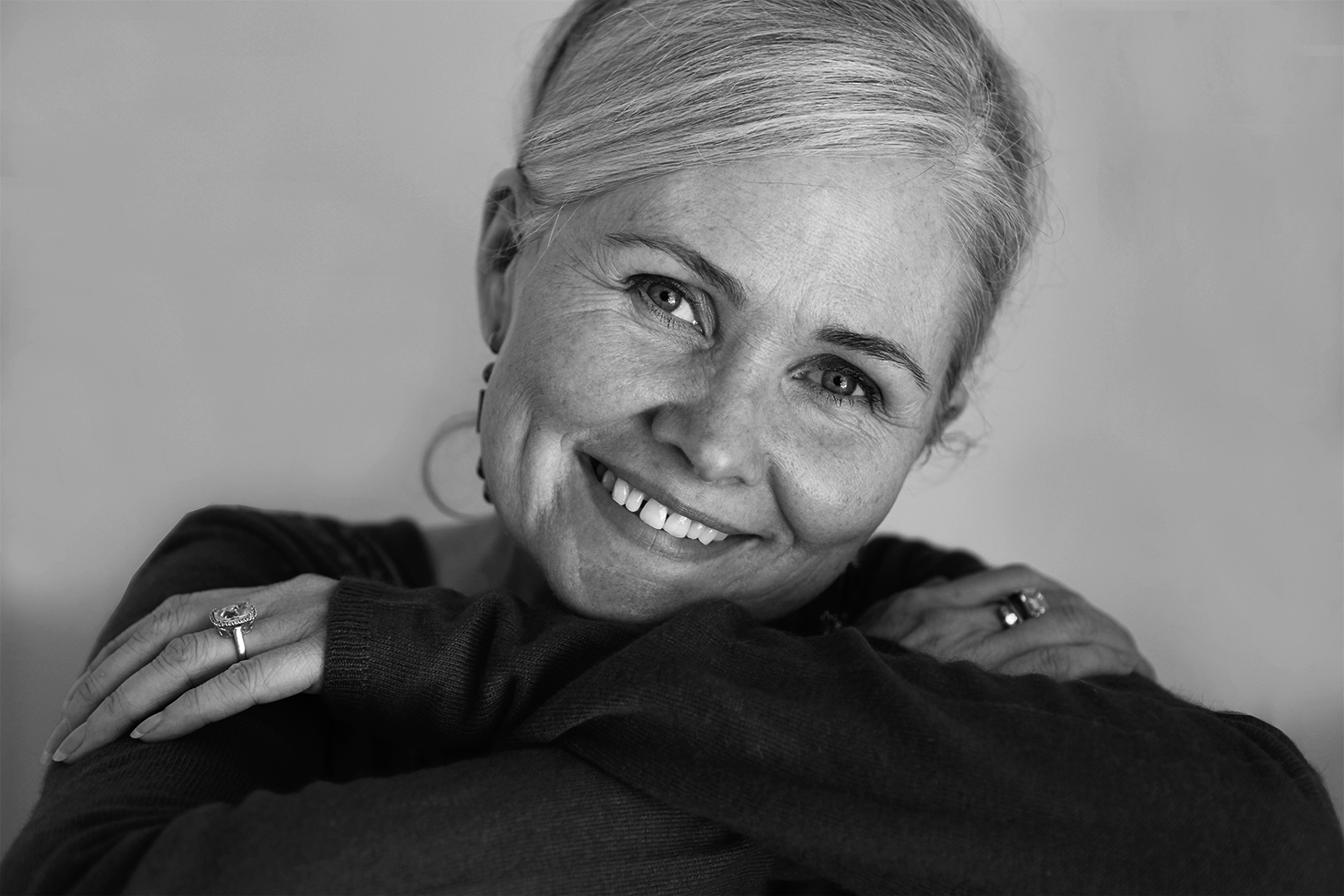
Arne built a studio. The arts photographer changed from taking landscape motives to taking images of Inger. Today Arne has her standing in a framed photo on the kitchen table. Inger is smiling at the camera. She has big earrings, and her hair is in a bun at the back of her head.
– She never reached the point where cancer made her look really ill. She was never marked by death in that sense. In the end she was fed up with being told how well she looked, says Arne.
For a long time, it was mainly the laboratory test results which indicated how far the illness had progressed. In the spring of last year, Inger began feeling shaky.
– For Inger it was only a matter of time until she was so far gone that she could no longer control her own death, says Arne.
– This is what she was most afraid of – to lose control. She could not take that risk.
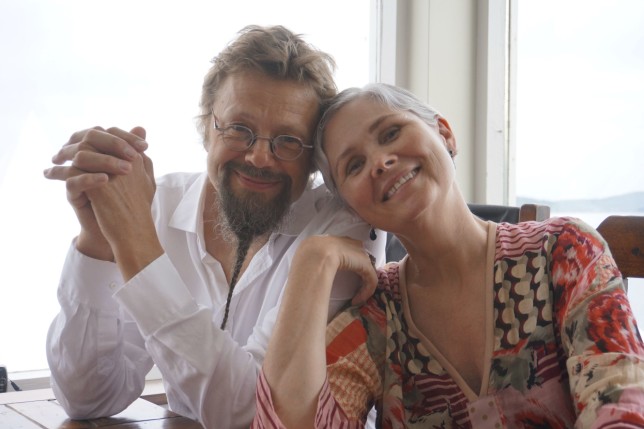
NOT VISIBLY ILL: They went to the same high school, and became a couple in 2004, after celebrating the 25th anniversary of their high school graduation. Here Arne and Inger are celebrating Inger’sbirthday, at the Villa Malla residence at Filtvedt, Norway. – She never reached the stage where she was visibly ill with cancer. She was never stained by death in that way, Arne says.
Photo: Private
The cancer specialists who examined Inger, found that she had inherited a gene malfunction tied to the gene BRCA1. According to the “Big Norwegian Encyclopedia” the genes BRCA1 and BRCA2 are connected to a rather high risk of breast and ovarian cancer if they are altered. A mutation of BRCA1 gives around 70 percent risk of developing breast cancer, and approximately 45 percent risk of ovarian cancer.
When Inger found out she was a part of that statistic, she suggested a large-scale family gene test. This showed that Inger’s younger sister Madeleine and nephew Marius had the same genetic disorder. Madeleine chose to remove her breasts and ovaries to avoid being hit by the disease.
– I have been through four operations and I’m about to have one more, explains Madeleine Beck (54).
– It is a bit strange to wear prostheses. But I have had the children I wanted; therefore it was a simple choice.
Madeleine knew about her sister’s thoughts of going to Switzerland the whole time. She respected Inger’s wishes.
– But I was wondering who was to go with her. I thought it must be Arne, as I, who cries so easily, could not go with her.
Inger’s travel plans never materialised. Arne relates that she gradually put away the thought of going to Switzerland to have someone help her end her life. She felt the cost of one hundred thousand Norwegian Kroner, which was the fee Dignitas demanded, was too high. And she was uncertain both of the waiting time and the journey itself. Joyous of life as she was, she could also not take the risk of having an appointment in Zurich before the cancer really had taken a firm grip.
– If she had gone, she would have had to say to people: – Now, Arne and I are going to Switzerland so I can die, says Arne.
But even if she had let go of the thought of going to Switzerland, Arne knew that his wife had not given up on the thought of ending her life before the final stage of her illness.
– After a while I understood that she was planning to do it herself, he says.
“After a while I understood that she was planning to do it herself”
At Gvarv in Sauherad the temperature has crept below zero. A thin white layer of frost is covering the farm. On a heap of cushions in the kitchen, the poodle Rask is resting his head on his front paws. His snuggle bed is below a kitchen cupboard Inger once made from some old cupboard doors.
“Remember to transfer Rask’s insurance from my DNB-bank to your DNB-bank”, it says on a green post-it sticker on the fridge. The whole cupboard is covered with messages, invitations and memorabilia. A bit above the neon-green sticker hangs an invitation to the spreading of Inger’s ashes. On the door is also a map over Las Palmas with a red paper heart placed over a park. This marks the place where Arne fell on his knees and proposed to Inger.
Inger had for many years dreamt of getting married, but Arne had not felt like it. He wasn’t too fond of marriages – possibly because his own parents divorced when he was a little boy. Around Christmas time 2017, the illness had also started to wear and tear on the relationship between Inger and Arne. There were no more treatments available. They both knew that their life together was nearing its end and that this was their last Christmas together.
Arne describes that Christmas as “terrible”. He and Inger could not manage a single conversation without squabbling, for instance about Rask. When were his claws to be cut, and when to give him a shower? They argued about things that seemed important to Inger and unimportant to Arne, or the other way around. Finally they both realised they could not spend their last couple of months together bickering.
– Inger called Radiumhospitalet and explained: “I am about to die and need to talk to a marital therapist. Can I have one tomorrow?” A couple of days later we sat in a consultancy room at the hospital. “After having listened to you,” said the therapist, “I have one advice: compromise! You will never agree about the dog, but can it really be so difficult?”
Arne says that the conversation with the therapist changed everything.
They booked a trip to Spain. In secret, Arne visited a goldsmith before they departed. In the park in Gran Canaria he put the ring on her finger and asked if she would marry him. Inger’s first answer was “no”, as she thought he only did it to make her happy. She soon realised his question was genuine.
– When we returned to the therapist one month later, he asked how things had been. “Great”, we replied, “we are getting married in two days.”
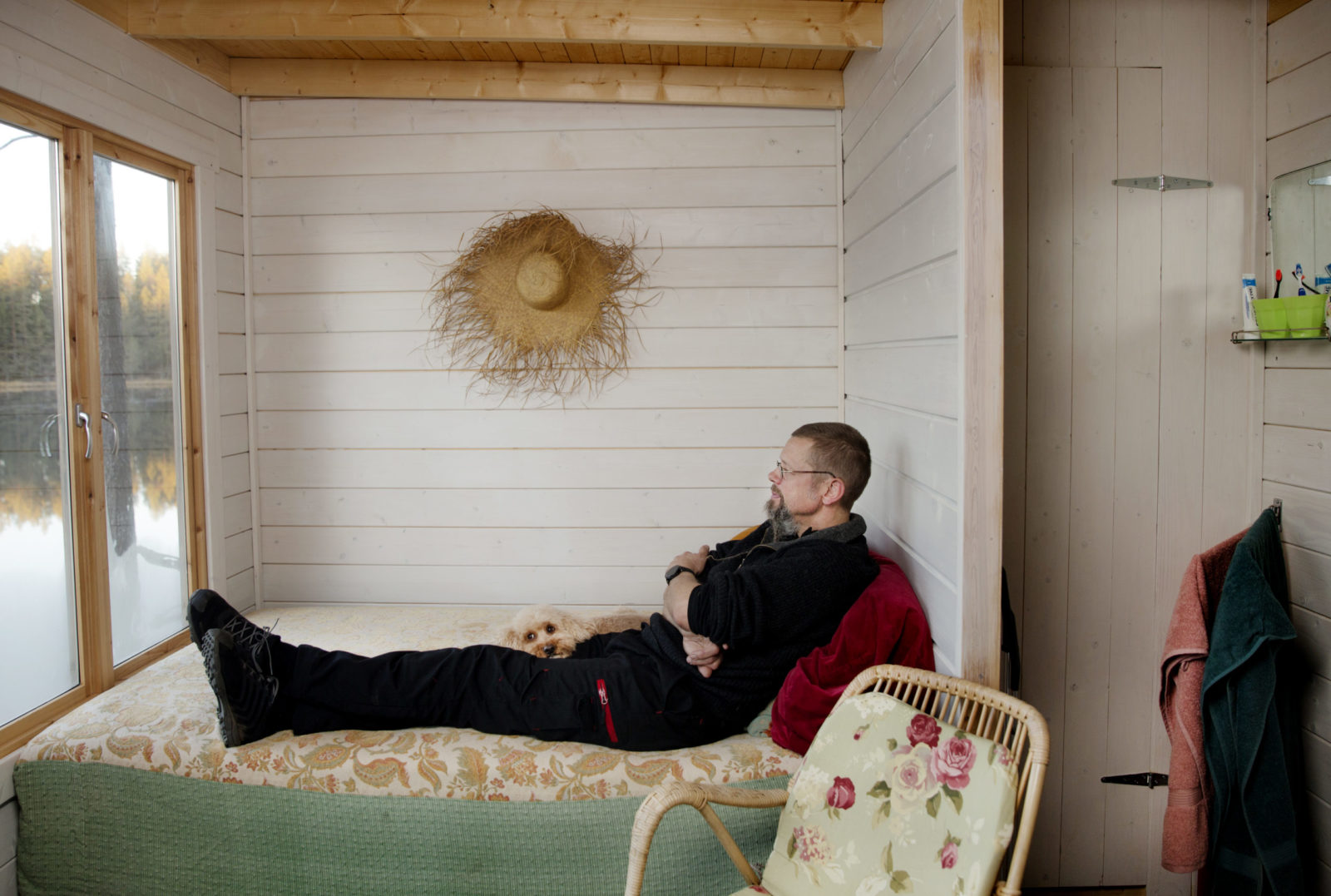
QUIET: Arne built the cabin, and Inger decorated it. They often came here. After she was diagnosed with cancer, they borrowed a neighbor’s ATV to access the property. Inger’s swimsuit and hat still hangs there.
Photo: Agnete Brun
The marriage was planned in no time. Inger made her own wedding dress. For a while she had rented an office in Bø and went there every morning. The skirt and jacket was of the same subdued flower pattern material, in addition she made a black hat. She was so exhausted from her illness that she had to lie down on the floor to sew. Work half an hour, then rest, then work again.
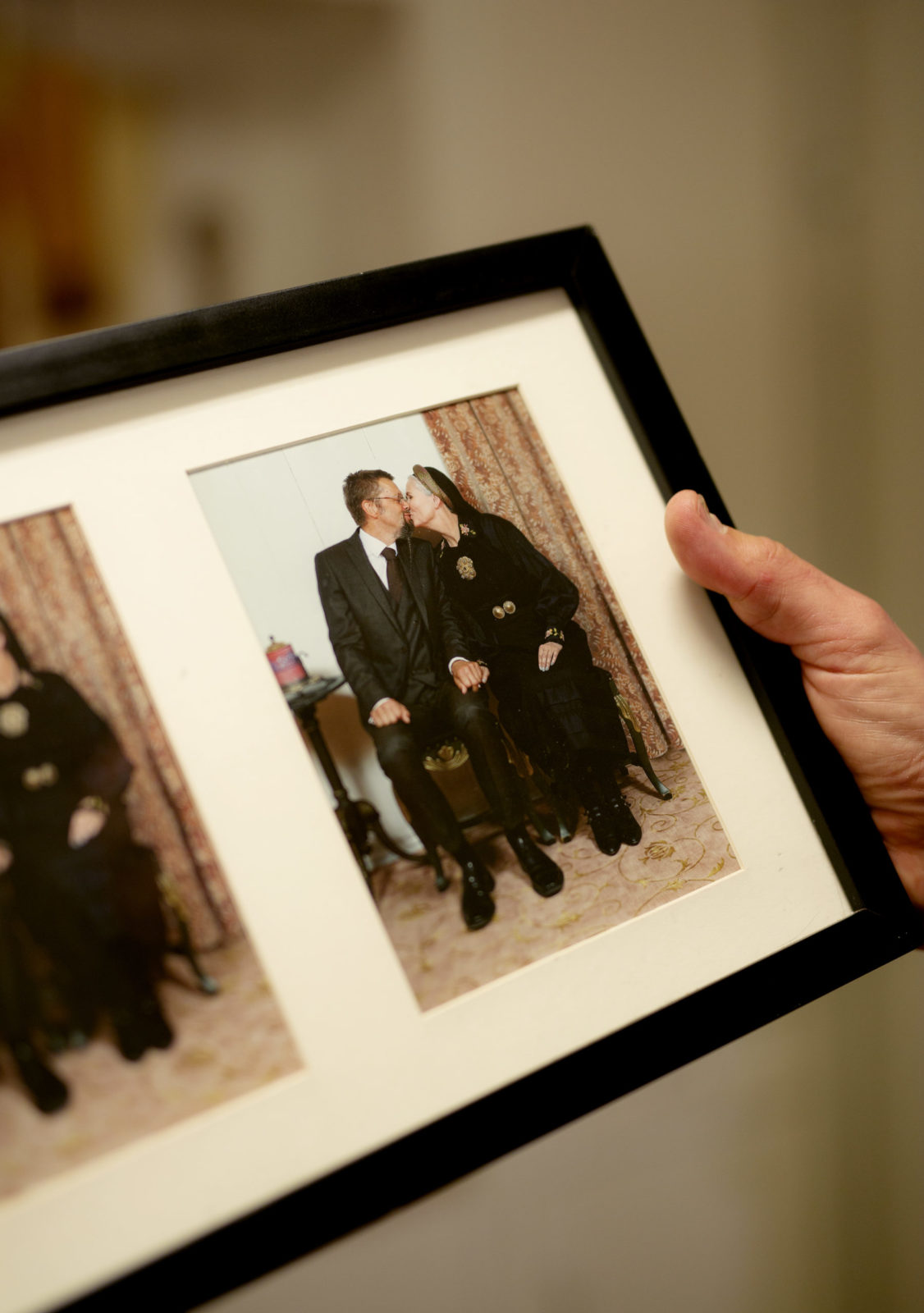
The big day dawned. The wedding had to be in front of a registrar, as Inger was an atheist and Arne had left his religious believes in his youth. The couple brought their own witnesses and Madeleine took the wedding pictures. In the Munch room (After the artist Edvard Munch/transl.) in Oslo’s City Hall they gave each other their ‘Yes’. Afterwards they had a seven course meal at the restaurant Annen Etage. Arne believes that the sun was shining, but he cannot say for sure. What he does remember, though, is that he felt an entirely new kind of joy.
– I am one who usually worries about all formal gatherings, but as from the moment I arose that morning, I was only happy. It was a dream day.
Arne also remembers that the wedding ceremony was more solemn than he had anticipated.
– It was a very special setting. All of those present knew it would not be a long marriage.
He proposed in early March, they married on the 21st of March and managed a short honeymoon to Prague. By then Inger’s condition had deteriorated to the extent that she had to rest several times a day.
Then came April.
Arne relates how for several years, small hints had been uttered which made him realise what she was thinking. She talked about methods and he told her she should not risk hurting herself or anybody else.
She said to Arne, “You will have a totally horrible day and completely terrible 24 hours. For that I am sorry. But the advantage is that when those 24 hours are over, it is all over. You will then receive a telephone call, and by then it is all over.”
Inger wrote her last will and testament. She wrote letters to her nearest family. Agreed with Arne he was to have Rask and came with suggestions on who should take over the care for the dog if Arne was to pass away. She wrote the wording that her husband was to publish on her Facebook profile. There she told her friends that when they read this, she would be dead and that she had performed euthanasia. She gave instructions on who should have what piece of her jewelry and decided what she was to wear when she was to be cremated: the silk kimono from Tokyo. She issued the invitation to the spreading of her own ashes; it only remained for Arne to fill in the date. She instructed him and Madeleine on who should be invited and where the ceremony was to take place. It was to be by the Steilene (Islands in the Oslo Fjord/transl.) outside Nesodden, a stone’s throw away from where she grew up. Those invited were to have a meal of pasta with pesto sauce at Madeleine’s home, and they were to toast Inger in prosecco, the Italian sparkling wine, which Arne calls her elixir of life.
Arne and Madeleine were not to know anything further, because if they knew the details on where, how and in what way Inger planned to end her life, they could risk being prosecuted as responsible.
The specialists at the hospital had told Inger that the type of cancer she was suffering from only on rare occasions could spread to the brain. Still, they performed an MRI-scan of her brain when she began to feel shaky.
The images showed that she had several tumours on the cerebellum and both cerebral hemispheres.
– She then called me and said: “Arne, this is it. This is the end.”
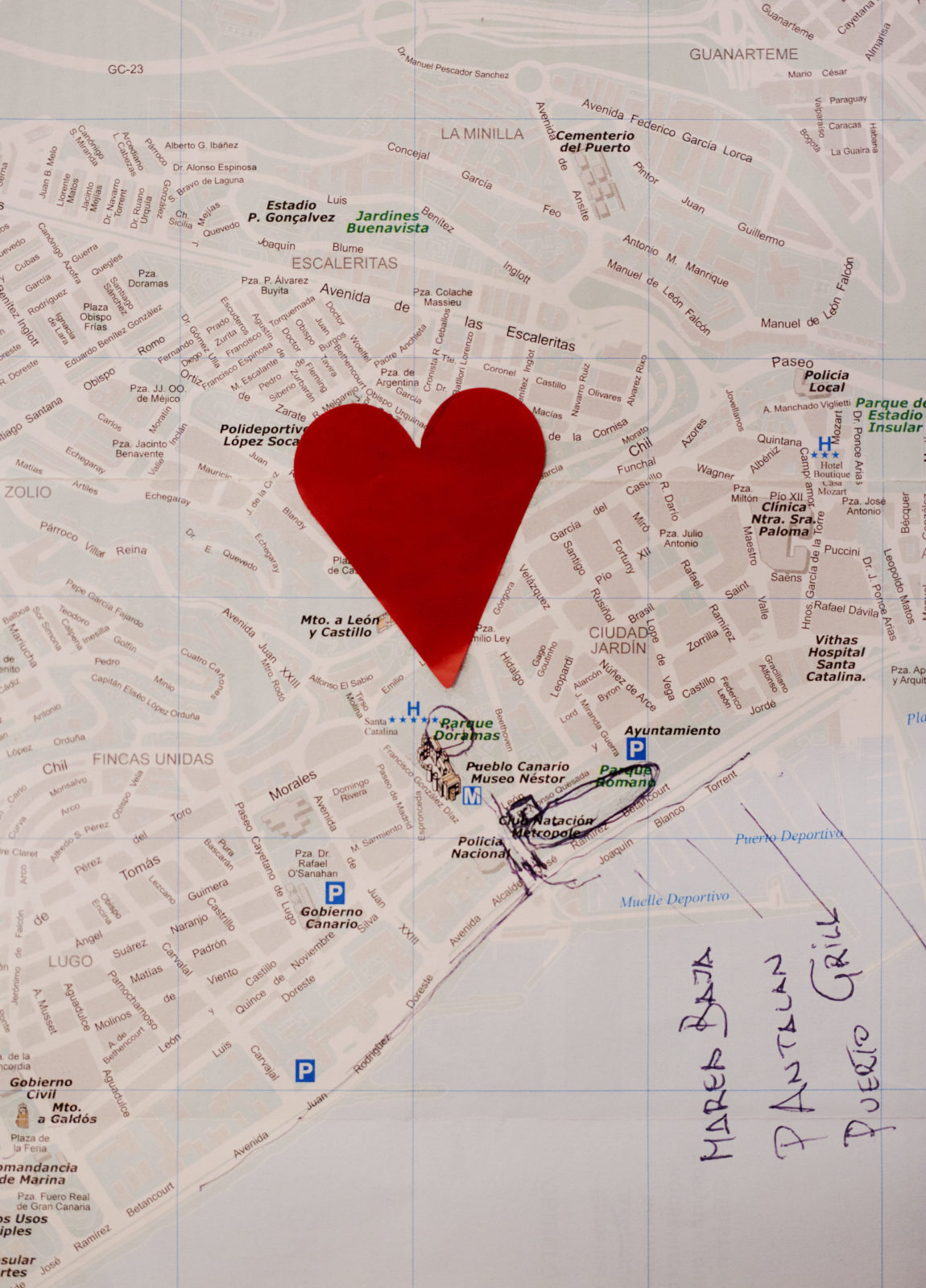
SURPRISED: Inger loved surprises. Following a demanding winter, Arne surprised her with asking her to marry him in March 2018, in a park in Las Palmas, Gran Canaria. No, Inger replied – before she understood that he actually meant what he said.
Photo: Agnete Brun
Inger had decided to leave already the next day. She began writing her chronicle, but wasn’t able to finish it on the first day. She decided to remain at home another day to finalise the text. That is the way the next day passed and the following one as well. Inger wrote, polished and made tiny adjustments. Arne read the proof. He was happy for every extra hour he had with his wife, at the same time as the fact she was soon to leave was hanging over him. They went for a short walk every day, always on an even ground as Inger had no more strength to walk along hilly paths.
A week passed, and then finally the chronicle was completed.
CREATIVE: Inger always had projects running. She loved sewing, often her own designs. This picture was taken two years ago. The outfit she’s wearing on this picture, is one of her own creations.
Photo: Agnete Brun
It takes ten minutes to drive from the farm at Gvarv to the railway station in Bø. None of them said anything as Arne started the car, nor when they drove down the hill. They sat in complete silence while the white Swiss style house became smaller and smaller in the rear window. Silence reigned also for the next minutes while the car drove along the river Bø and when they left the main road for the railway station, their final stop.
– I could not wait for the train to leave, this I had promised Inger, so I parked in a way that the car could not be seen from the train, Arne says.
When he saw the train with his wife leave the station, he was unable to keep his promise. He followed in the car across Akkerhaugen and Sauarelva. With his eyes fixed on the train and its engine while passing kilometre after kilometre. Blinded by tears he suddenly saw the headlights of a meeting car, he had to pull his car back into the correct lane.
– For nine months I have been thinking about how terrible it was, her embarking on that train. But imagine how it must have been for her, to sit there and know that now I’m putting everything behind me, everything that has made me happy.
The train takes 13 minutes from Bø to reach the first stop at Nordagutu. With a car it takes 22. That station is a white building with green bordering which greets the travellers welcome, 112 metres above sea level, but Inger was to get closer to the sea. Arne did not know that, but the plan was for her to leave the train five stops later, at Oslo S, 3.7 metres over the sea level, just a few hundred metres from Bjørvika and the inner Oslo fjord, a few nautical miles from the place where she wanted her ashes to be spread.
As the train continued after its stop at Nordagutu, Arne turned the car around and drove back home to Rask.
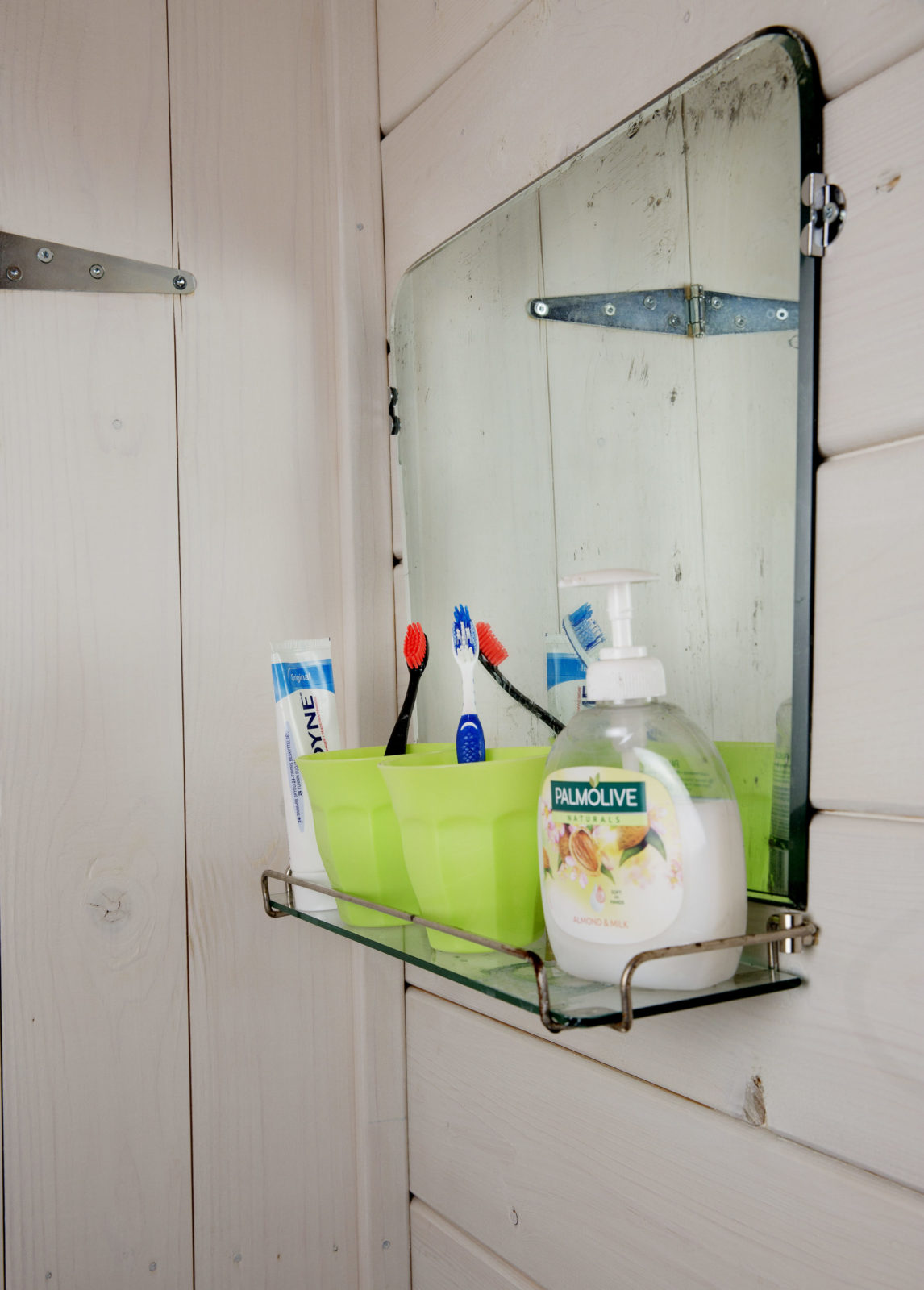
WROTE A LETTER: Inger planned the ending of her life to every minor detail. She wrote a letter to all who were close to her, also her doctor, where she explained her decision. At Inger and Arne’s cabin it looks as if she was still alive.
Photo: Agnete Brun
The rest of the day passed better than Arne had feared. He worked a bit around the farm and went for a few kilometres run with Rask. Watched TV, and read a little. At dusk he took a short walk with his camera taking images of the moon and some tree branches.
Once during the afternoon he sent her an SMS.
– I thought I should be able to do at least that. She will either answer or I will hear nothing back, so I sent her a heart, says Arne.
Shortly afterwards Inger called.
She did not want to tell him where she was or enter into precise details about the next few hours, but she said she sat in a bed, looking through old pictures and memories.
– We had a conversation, 20 – 25 minutes long. It did not include anything on what was about to happen, we only talked about nice things. Then we hung up.
Later a few messages came in from Inger on Arne’s phone:
– Some very nice, short SMS-es, as a kind of thank you for the journey. A declaration of love. It was obvious that she had found peace, Arne continues.
Remarkably, he slept very well that night.
“It was obvious that she had found peace”
The next morning Arne woke up very early. He was overwhelmed with anxiety. Questions were roaming around in his head. Where is she? How have things developed? Is she alive? What if Madeleine calls, what do I say? He was afraid that Madeleine would call. Even though she knew that Inger was planning to take her own life, she did not know where and when that was to take place.
Arne thought Inger would check in at a hotel to end her life. That she would be found around noon by a maid. Then, he would receive a phone call.
Arne waited and waited for the telephone to ring. The hours were unbearable. He tried to get some work done on that day as well but was unable to concentrate. He had an overwhelming sense of loneliness. He was unable to leave the farm. His phone could ring at any moment; he didn’t want to be standing in line by the till in a shop.
He called a friend, one who lived far away, too far away to be able to stop Inger. His friend listened and tried to comfort him, but could not give Arne any advice on what to do.
Finally, Arne couldn’t bear it any longer. He called a hotel that he and Inger once had visited and from which they had pleasant memories. He thought she might be there, but nobody by that name was registered at the hotel.
– In a way I was relieved she did not stay there, for what would I have done if I had been connected to her room and nobody answered? It became obvious to me that I could not do this, that I would break the agreement I had with Inger, Arne says.
He said to himself that if he had not heard anything before 5 o’clock that afternoon, he was to call the police and report her as missing.
A quarter to five the telephone rang. It was from the Diakonhjemmet Hospital in Oslo.
Arne listened quietly to the voice at the other end. At first he understood nothing. After he at last had somewhat pulled himself together to say something, he uttered three words:
– Is she alive?
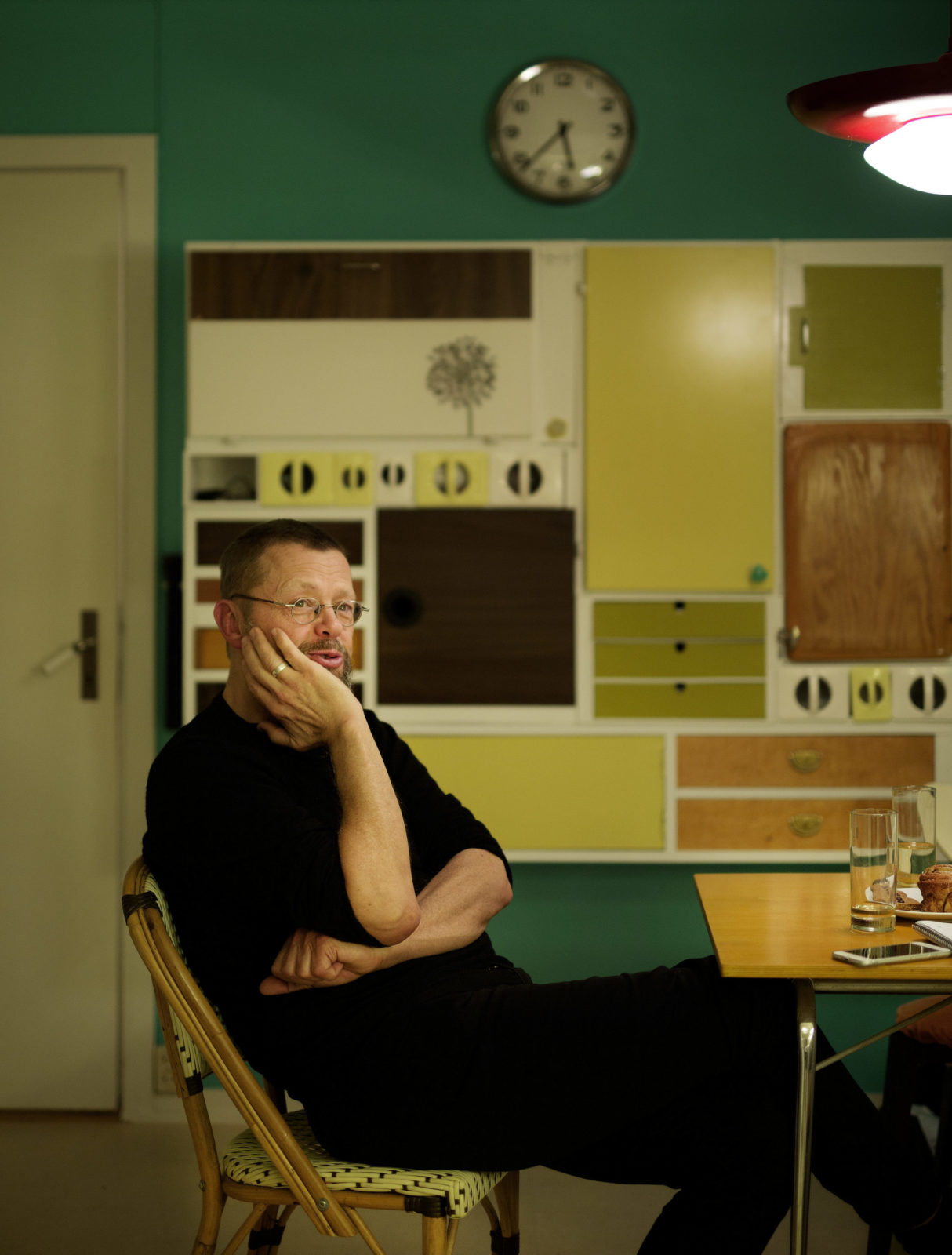
MEMORIES: Inger made her mark on the farm where they lived together. The cabinet behind Arne, which was made by her, is just one example. On April 30, 2018, she left her last note to her husband on the kitchen table. He was not to go out to the barn – he should only call for an ambulance.
Photo: Agnete Brun
She had signed herself in at the patient hotel of the Radium Hospital. She had calculated on that the staff there were used to seeing dead people and that the shock to the unfortunate person finding her, would not be so great. In the room she had left her personal life testament, which she had gotten from the lobby organisation “Foreningen retten til en verdig død” (The Association for the right to a dignified death/transl.) which stated that she did not want to be resuscitated. She had also left behind a letter she had written, one in Norwegian, another in English, in case the finder was a foreigner. In the letter she stated why she wished to leave this life and as she was irretrievably sick, would die very soon anyway.
Inger had been found immediately after she had given up breathing. According to the Paragraph 287 of the Penal Code, it is the duty of every person to assist “a person who is in obvious risk of losing ones life (…)” Any person abstaining from helping, regardless of what the danger is, can be liable to a fine or up to 6 months imprisonment.
Inger was resuscitated by medical staff. As soon as she began breathing again, she was admitted into the Diakonhjemmet Hospital.
Arne got into the car and drove to Oslo. When he was admitted into Inger’s room, he saw that she was scratched and had obviously fallen over and hurt herself. She was heartbreakingly distraught over having failed.
– I have never seen anything like what I saw in her eyes, Arne says. – Just black emptiness.
On the following day, Madeleine visited her sister in hospital.
– The first thing she said when I entered was “mom”, as if to say she was now lying there just like our mother had done towards the end, says Madeleine.
– She then waved her arm towards the window, as if to ask on what floor she was. We had to explain to her that she was on the first floor and that there was no point in jumping.
“I have never seen anything like what I saw in her eyes. Just black emptiness.”
Inger was now so desperate and depressed that she was given a guard in her room. She wanted to sign herself out from the hospital, but Arne and Madeleine wanted her to remain as admitted until her next check-up at Radiumhospitalet. They understood what she was planning and knew she would make another try. They feared the way she would do it, could perhaps be even more brutal.
On Sunday the 29th Inger was released anyway. She and Arne got into the car and drove back to the farm. Rask was extremely happy to see her, but the sparkle in Inger had been extinguished.
Thoughts were spinning around in Arne’s head. He was glad that his wife was alive, but what was he to do now? What did Inger want to do? Were they to go to Switzerland? Or was she to die in a morphine slumber, as she absolutely did not want?
On Monday Arne went for a run, he needed to clear his head. He ran across the farm yard towards the forest and up the hill to a small lake to which he and his wife had walked so many times. He was away for about one hour.
In retrospect, he can’t imagine what he was thinking, how he could ever have left her alone.
As he got inside again, there was a piece of paper from Inger on the kitchen table. It said he was not to go into the barn but just call for an ambulance.
– In total despair I ran out into the barn with the hope of saving her, but saw immediately that she was dead, says Arne.
The emergency service arrived. Inger was confirmed dead less than 24 hours after having been released from the Diakonhjemmet Hospital.
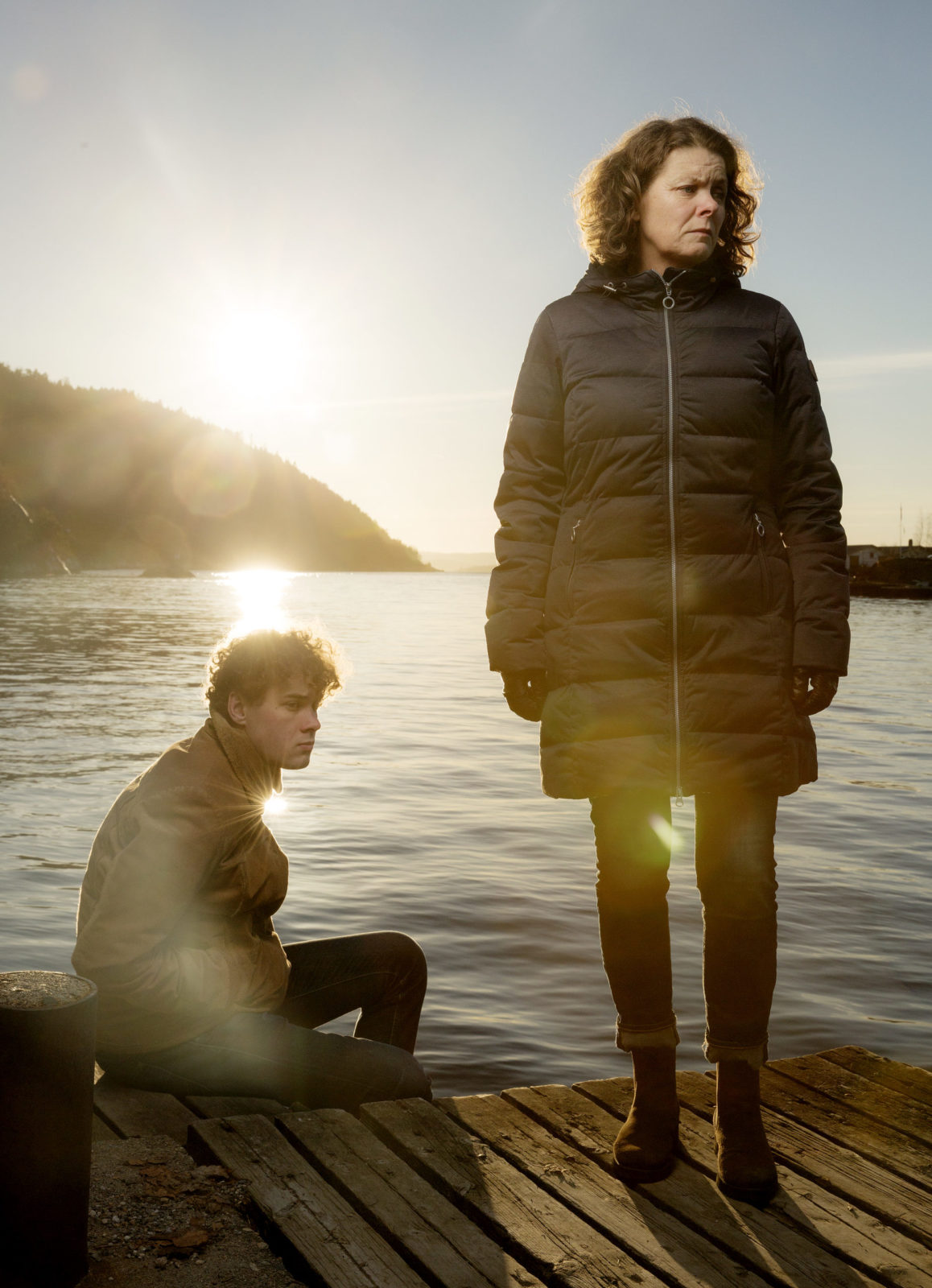
SAID GOODBYE: On June 12, 2018, 19 of Inger’s closest relatives and friends bade farewell to her. From the Alværn jetty at Nesodden, a peninsula outside of Oslo, they said goodbye. Her nephew, Marius Beck, and sister, Madeleine Beck, returned to the jetty on Christmas day. Together with Arne they threw flowers into the sea. – Auntie was very important to my sister Mathilde and myself. Marius says. – She always had good advice for us, and for the most part, she knew best.
Photo: Agnete Brun
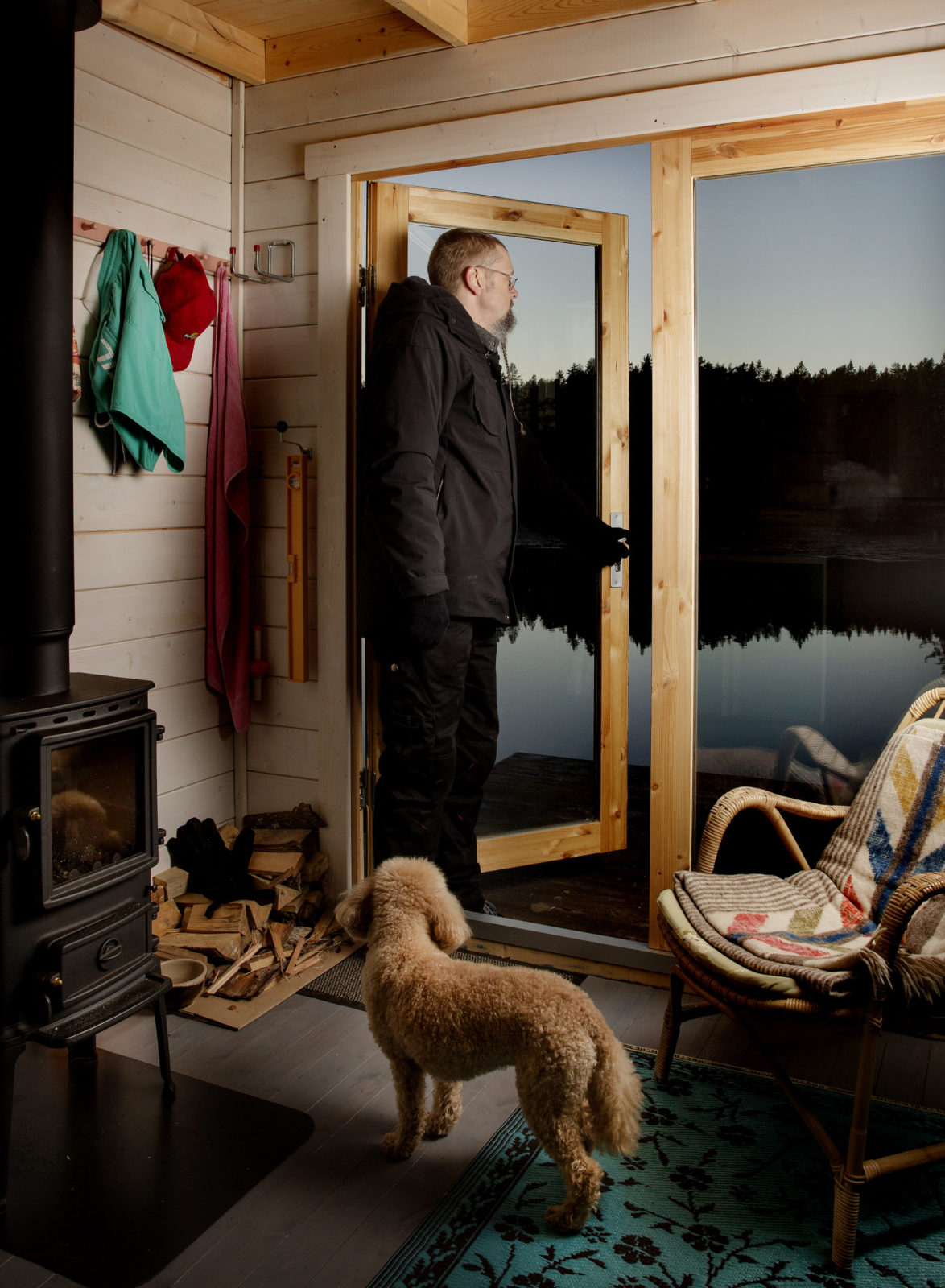
By the small lake above the farm, there is a tiny cabin. Arne himself had built it, Inger had done the interior. 12 square metres with a big window facing the water. A bed along one side and a wood burning stove along the other, with a jetty right in front. Arne and Inger used to go for walks here. Here it was only the two of them, the silence, and of course, Rask.
There are still two tooth brushes in the glass. Inger’s bikini is still hanging on a peg and her sun hat on the wall.
– Considering how Inger was as a person, this exit was probably right for her, says Arne.
He declares that he was previously sceptical about euthanasia. He no longer is. He means that Inger felt she was forced to go out in the barn. The law is such that Inger had to do this on her own.
– The price we pay for euthanasia being illegal in Norway, is that people must lay and suffer. It is easy to say now, but had I known what I know today, now when I have the answer, I wish I told Inger: “Let us apply for a place in Switzerland, then wait and accept fact when the time comes”. I wish the answer had been different.
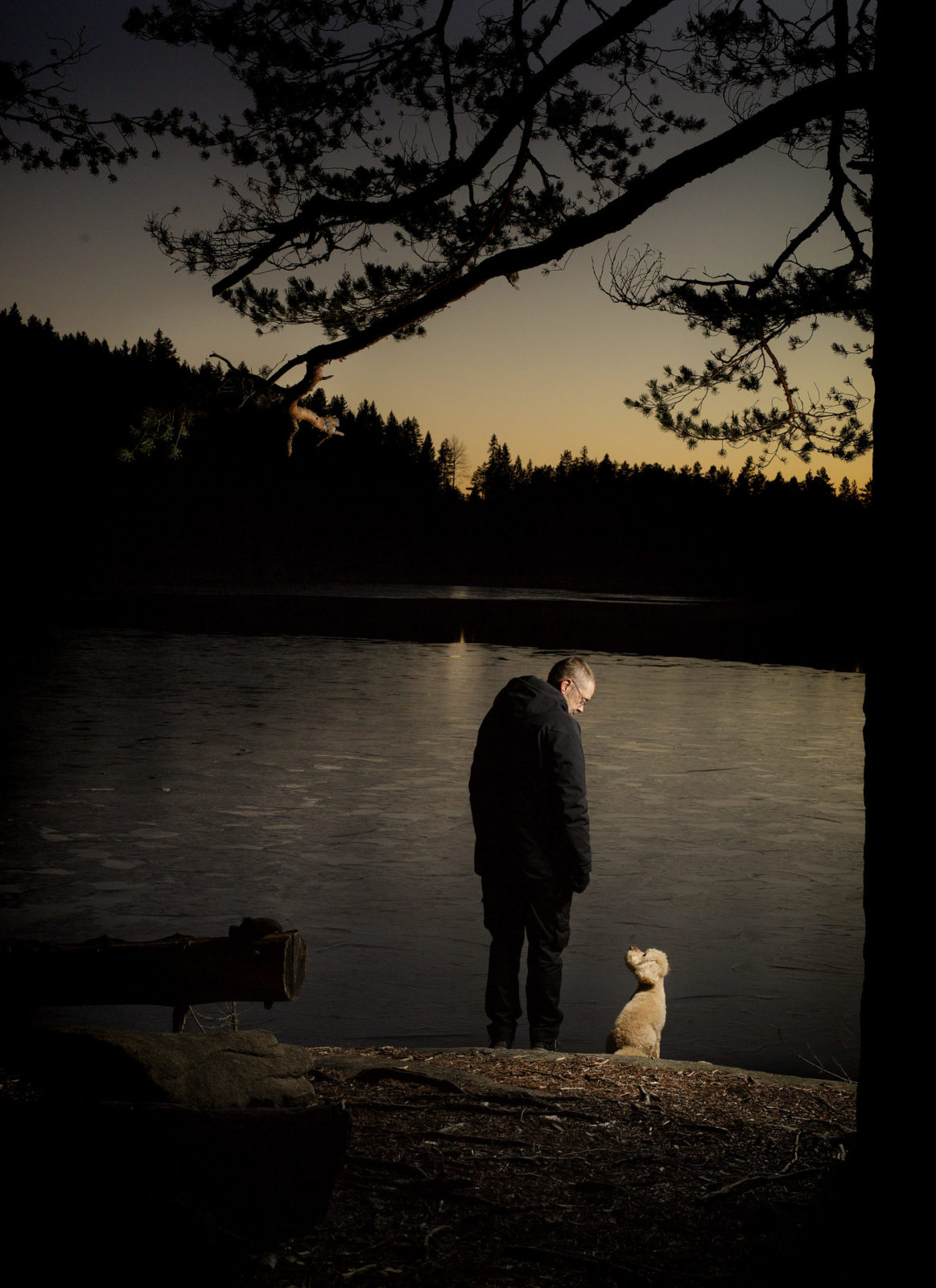
DIFFICULT TIME: After Inger died, Rask was uneasy. He barked, and looked for Inger. Now he’s finally got accustomed to his new master, and Arne makes sure his fur and nails are regularly taken care of – just as Inger would.
Photo: Agnete Brun
“June 12”, Arne wrote in the open slot on the invitations to the spreading of Inger’s ashes.
It was one of those endless summer days, with blue sky and tiny white clouds. A group of 19 persons, and the dog Rask, drove down to Alværn jetty at Nesodden. Seven years earlier they had said farewell to Inger’s and Madeleine’s mother at the same place. The urn they had brought with them, was the same as they had used for their mother’s ashes.
In two boats, the group drove out between the tiny, oblong islands called Steilene. Only a small ripple fluttered on the surface of the glittering fjord. Outside the islands the boats stopped. The urn with Inger’s ashes was carefully opened. The content was poured into the water, dust and particles of sand swirled down as sucked into the deep, while the ashes sank slowly down to the bottom.
-We thought that now Inger and Mom can swim together to some warmer waters and bathe with the dolphins, says Madeleine.
They had chosen white, pink and red roses. While the flowers remained like a carpet on the surface of the water, Inger’s nearest family listened to the sound of the soft guitar music of “Cavatina”, the well-known tune from the movie “The Deer Hunter”.
Afterwards they toasted Inger in prosecco.
– It turned into a very nice day, says Arne.
– There was only one person missing, and that was Inger herself.
“For confidentiality reasons, the Diakonhjemmet Hospital can’t comment on her dismissal from our hospital. However, we underline that we are following existing health legislation and national professional guidelines in all our judgements. This is also the case when facing patients with serious somatic conditions who wish to end their lives”, deputy managing director Torkil Clementsen writes in an email to Magasinet.
“Living hurts”: Doom and Gloom on a ‘Dry Day’ in Loyev
On March 1 Loyev region saw the first of eight ‘Dry Days’ planned for 2019.
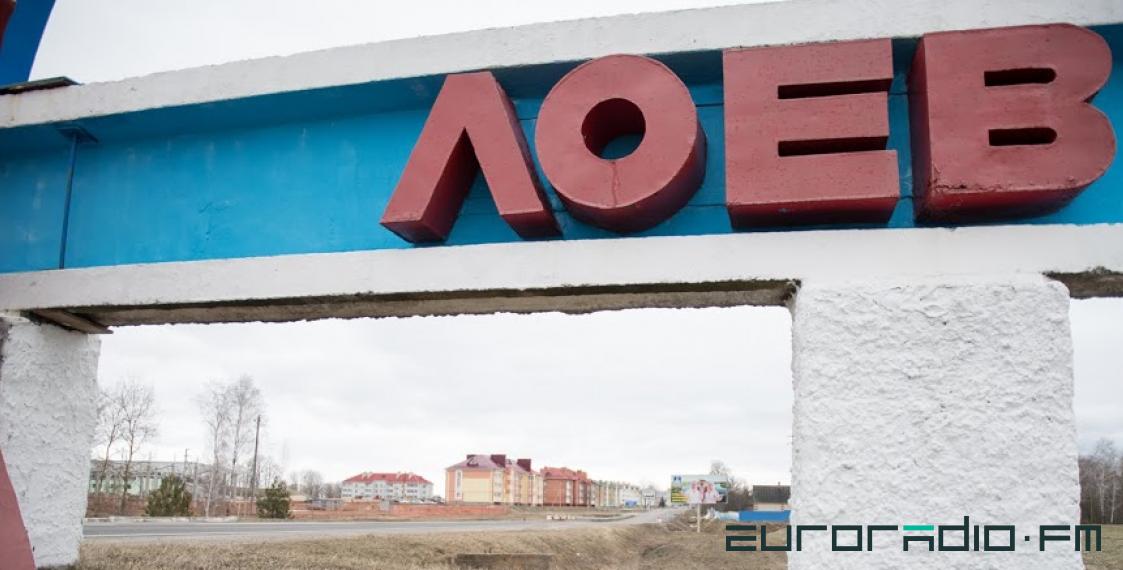
Photo: Roman Protasevich / Euroradio
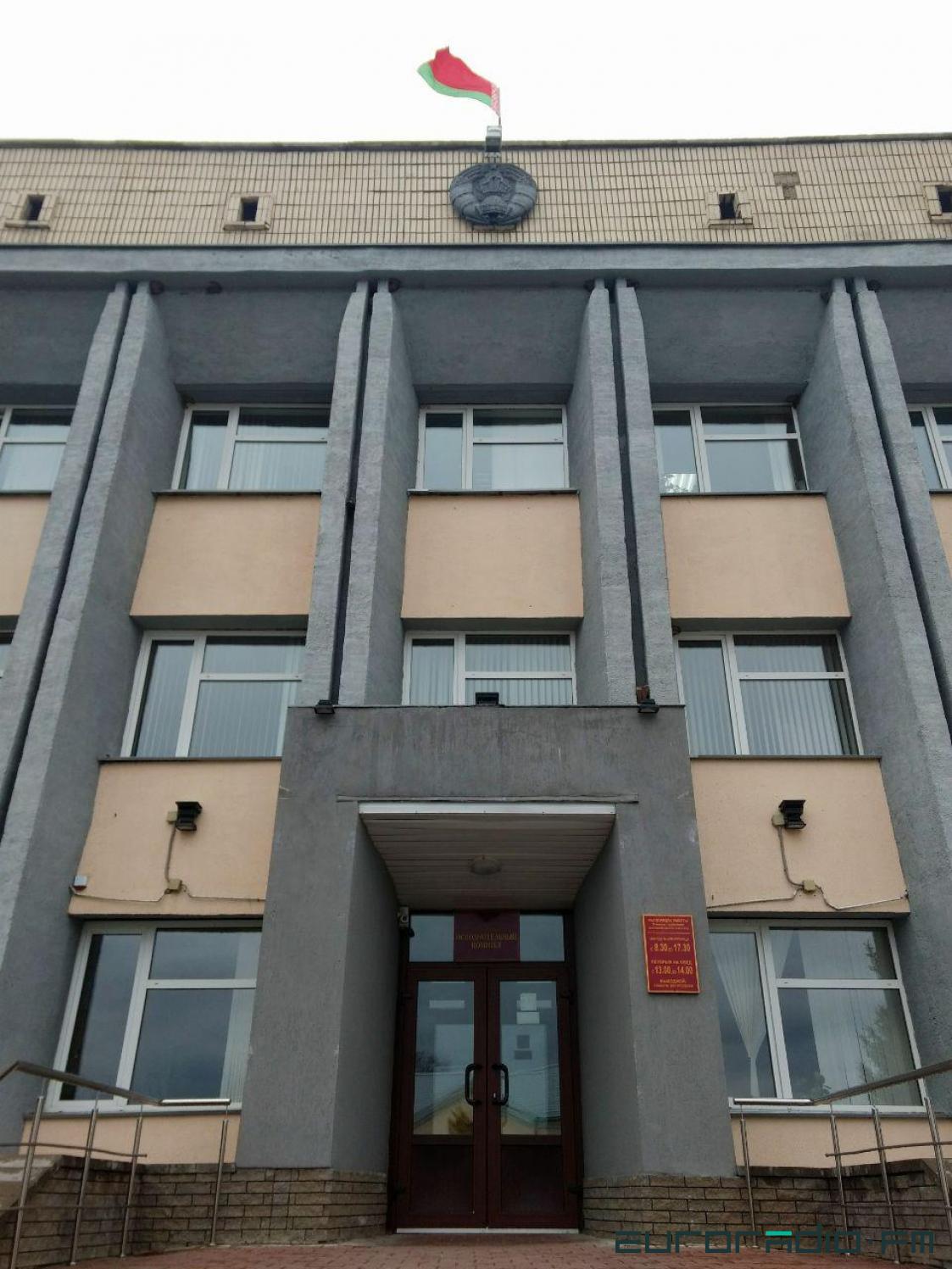
The sale of spirits was limited in shops from 00:00 to 24:00. The ban was timed to coincide with the ‘International Day Against Drug Abuse’.
Euroradio correspondent Aleksey Karpeka plunged into the epicentre of ‘Dry Days’ to see how the locals of the regional centre were going to cope for a whole day without alcohol.
“All you have to do is drive to the next village – and you can buy all you want”
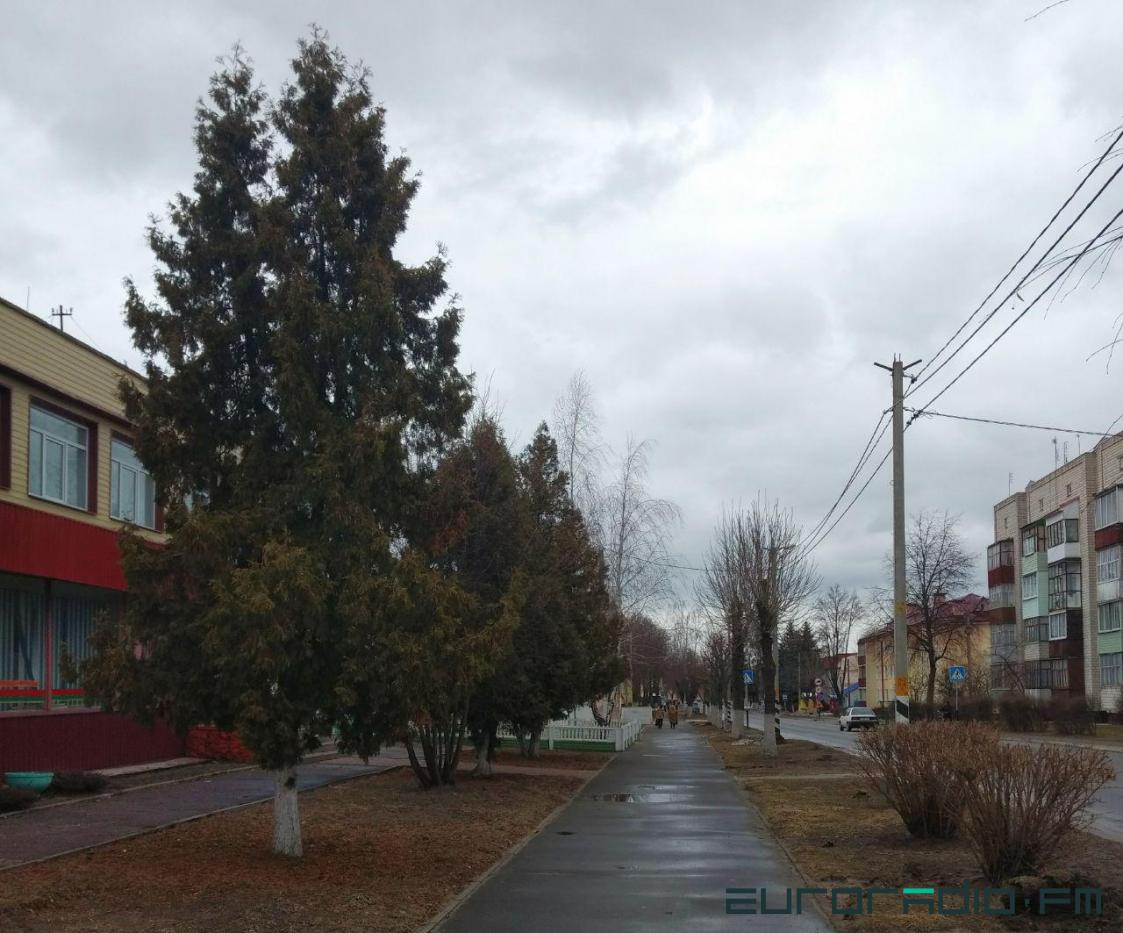
The first thing you see driving into Loyev are new brick-built three-storey blocks. But as you get further into the town the new buildings disappear and all that remains is the legacy of the Soviet Union, a couple of pre-revolutionary buildings and some private cottages. On the surface, the town gives the impression of being cared for, but a bit empty. The town is situated not so far off from the areas people were evacuated from because of the Chernobyl NPP accident. Loyev was lucky though, the radioactive pollution avoided it.
“They are taking these measures, but at the end of the day they get the opposite result. Because the more you prohibit it, the sweeter the forbidden fruit becomes”, says Ivan, having a smoke by the side of Caterpillar bulldozer. “If it’s one of these ‘Dry Days’, you get more drunks than sober folks. And there’s not even any point in stocking up in advance. All you have to do is drive out of the district to the next village where there’s a shop – and you can buy all you want. They even sell it in the cafes”.
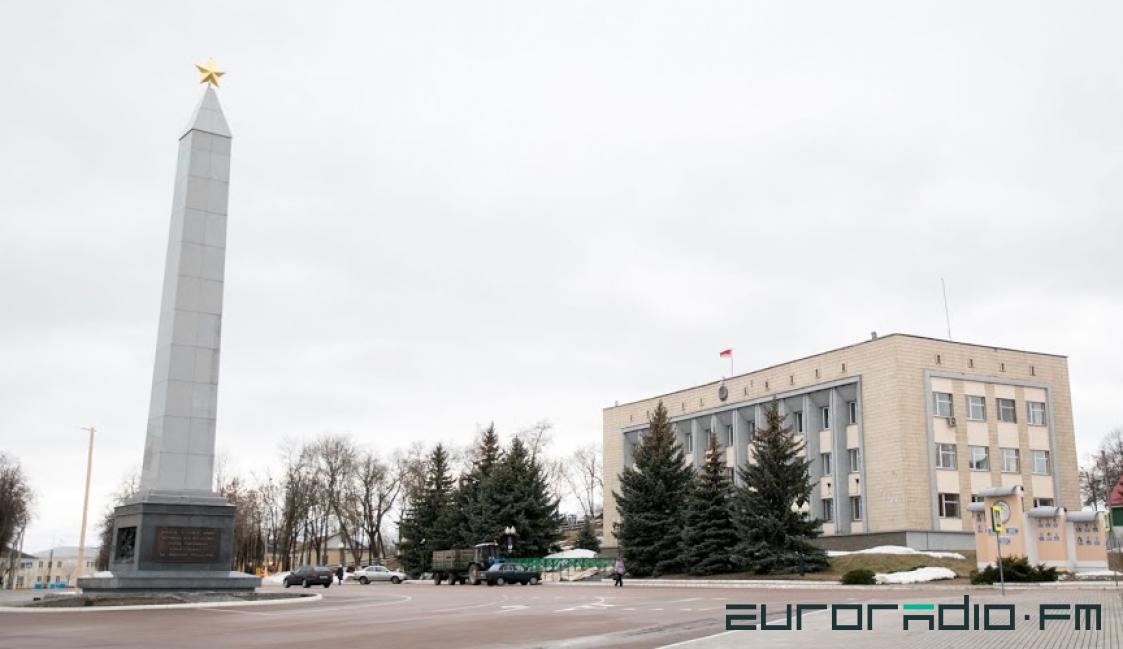
Ivan’s colleagues are assembling a stage in front of the Loyev Regional Executive Committee building on the central square, dragging along flooring and hanging up banners. Tomorrow is Shrovetide. The Dnieper embankment is the traditional place for celebrating it.
According to the WHO, Belarus is one of the stablest top drinking countries of the world. From 2008 to 2014 it even came in at a first place. The Ministry of the Interior on numerous occasions brought up the question of banning the sale of alcohol at night. In 2018 there was yet another attempt to carry out an “experiment” in Minsk and a number of regional towns. But then Alexander Lukashenko demanded that the limitation be abolished; in the end, it lasted less than two days. The night-time boozers were saved.
Loyev is a smallish town in the Banks of the Dnieper right opposite the border with Ukraine. Population 6,500. In 2005 they marked 500 years since the first mention of Loyev in the chronicles. 14 years later the stage in the building belonging to the department for educational outreach is still decorated with the banner in honour of the 500 years anniversary.
They light heaving great bonfires of logs on the sandy riverbank. People will come and eat pancakes and drink spirits. The cold spring wind will kindle the flames. The damp heavy sand will stick to your soles and preserve your footprint. That’s all for tomorrow though. But today it’s – ‘Dry Day’.
“The former chief of police was a nasty piece of work, he didn’t even let us have a drink on holidays”
“I’m not drinking today, I have to work again tomorrow” Ivan continues. “But tomorrow will be Shrovetide, so we’ll be able to drink as per normal. Before, though, you couldn’t even celebrate the holiday properly. We used to have a police chief – Vladimir Bukhavtsov was his name – he didn’t even allow drinking on holidays. A nasty piece of work, he were”.

Former Chief of the Loyev ROVD [District Department of the Interior – Trans.] Vladimir Bukhavtsov, was a well-known figure. A zealot when it came to fighting drunkenness. He would drive around town himself with his police officers, patrolling the streets. There was even an article about him on the Bielorus Ministry of Interior website under the title “Lieutenant-Colonel ‘Good Evening’”.
“The main part of crimes committed were thefts. And the principal contingent were the unemployed and chronically drunk. People drink from idleness. They don’t want to work for a firm or for themselves. At Shrovetide they were outraged more than anything else that the police was stopping them drinking on the square. They complain that the drink there is dear. Why drink at all then if it’s dear? Order some tea and have a chat with people”, said Bukhavtsov about the Loyevites who were unhappy with him and the complicated arrangements to do with drinking. Then, there was the case of the patrol stopping a tipsy pensioner in the street and giving him a fine.
Nowadays Vladimir Bukhavtsov is no longer the Chief of the Loyev ROVD – he has been transferred to Chechersky district in the same capacity. We can only speculate as to whether the transfer was for his merits or his failings.
Over the last year 36 out of the 122 recorded crimes – a little over a quarter – were committed in a state of alcoholic inebriation. In terms of statistics for Gomel oblast’, this is an average figure.
“There are a lot of people who drink, it’s especially the young who are becoming drunkards”
The place where they meet is by the little shop and Canteen No.1 in Loyev. That’s where the inhabitants discuss the latest news. Alexander Lukashenko’s “Serious Talk”, for example. I go up to three women talking amongst themselves and introduce myself. The grey-haired harpies abruptly fall silent and then start angrily bawling at me:
“You’ll go and write something bad about us again. You are the opposition! We know you! Your journalist asked the President questions [the journalist Zmiter Lukashuk put some serious questions to Lukashenko during the “Serious Talk” broadcast]. We’re not going to tell you anything. We don’t drink. But a drunk will always find a drink”.
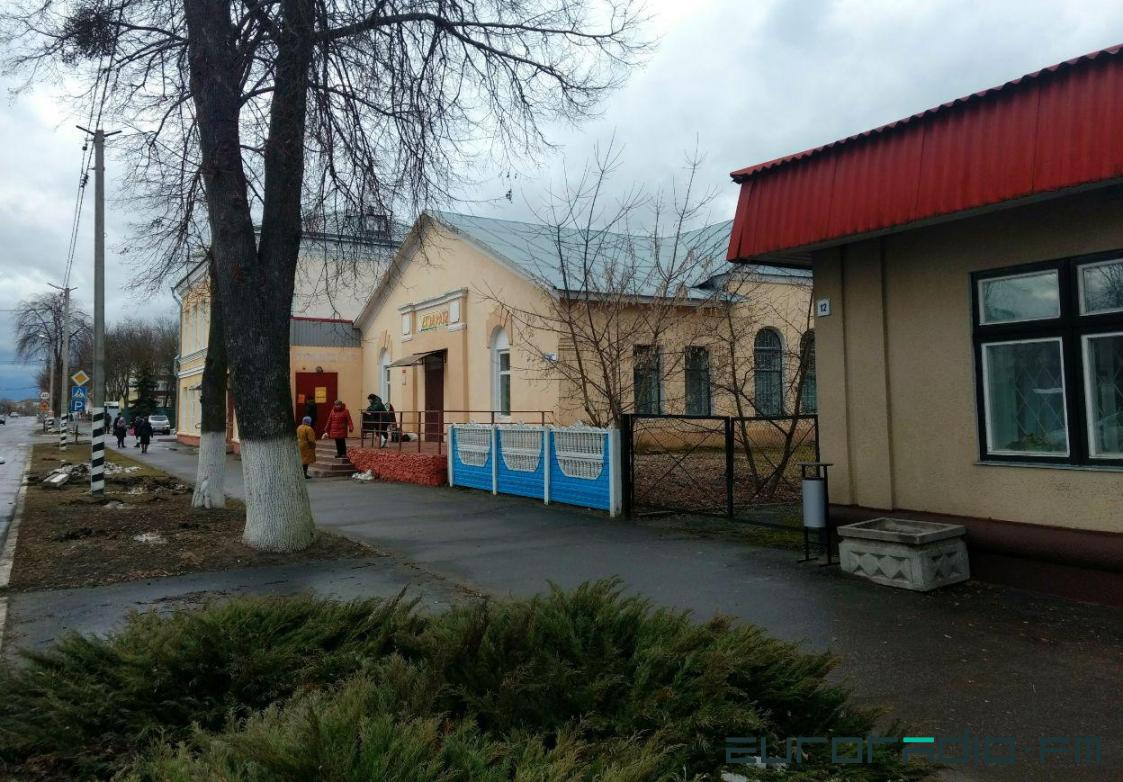
Windswept beige coloured blocks of flats, the windows on the ground floor broken and boarded up. The general store is under repair. Six men, blue with the cold, are raking and sweeping opposite the Belpochta building, mixing the wet earth with snow. The streets are swept clean. Nice and tidy Belarus.
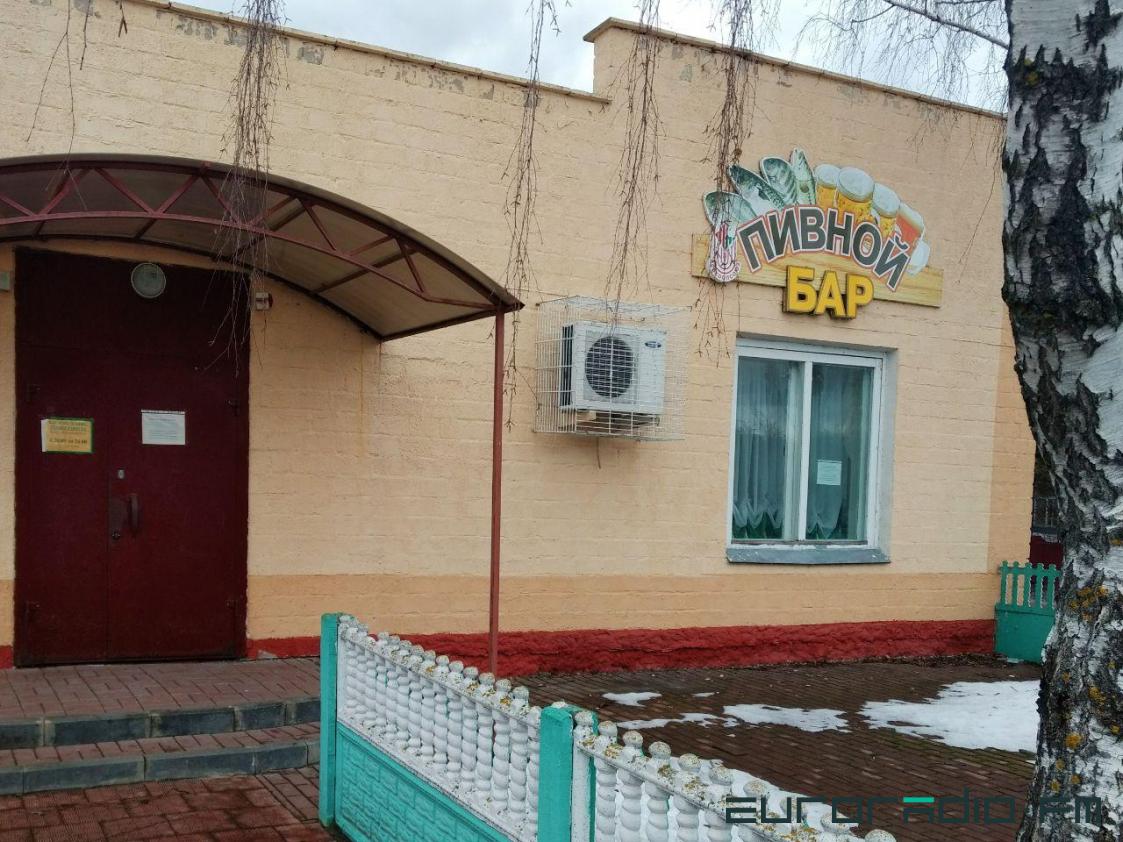
The local market is empty and there is a biting wind. The stalls are empty, chrome taps for bathrooms hanging on hooks. Next door there’s the “Spatkanne” bar, but it’s closed. Working hours: from 8pm -12pm. The bar can be hired for a works party, weddings and other events. The birch trees nearby lash their branches against their trunks.
“These bans on drinking are a good thing. There’s a lot of drinking going on, especially young people. It’s terrible how many there are drinking and smoking. Measures should be brought in. Even harsh ones”, pensioner Viktoriya, a former teacher, opines. “No doubt about it. Especially the young people. They’re ruining themselves with drink. I recently saw a woman with a pushchair with a bottle and a cigarette in her hands. What more can we do about it? Maybe what we need is the kind of ban that will change things. Maybe one day people will sober up?”
“There’s always a steady flow of clients here for liqueurs”
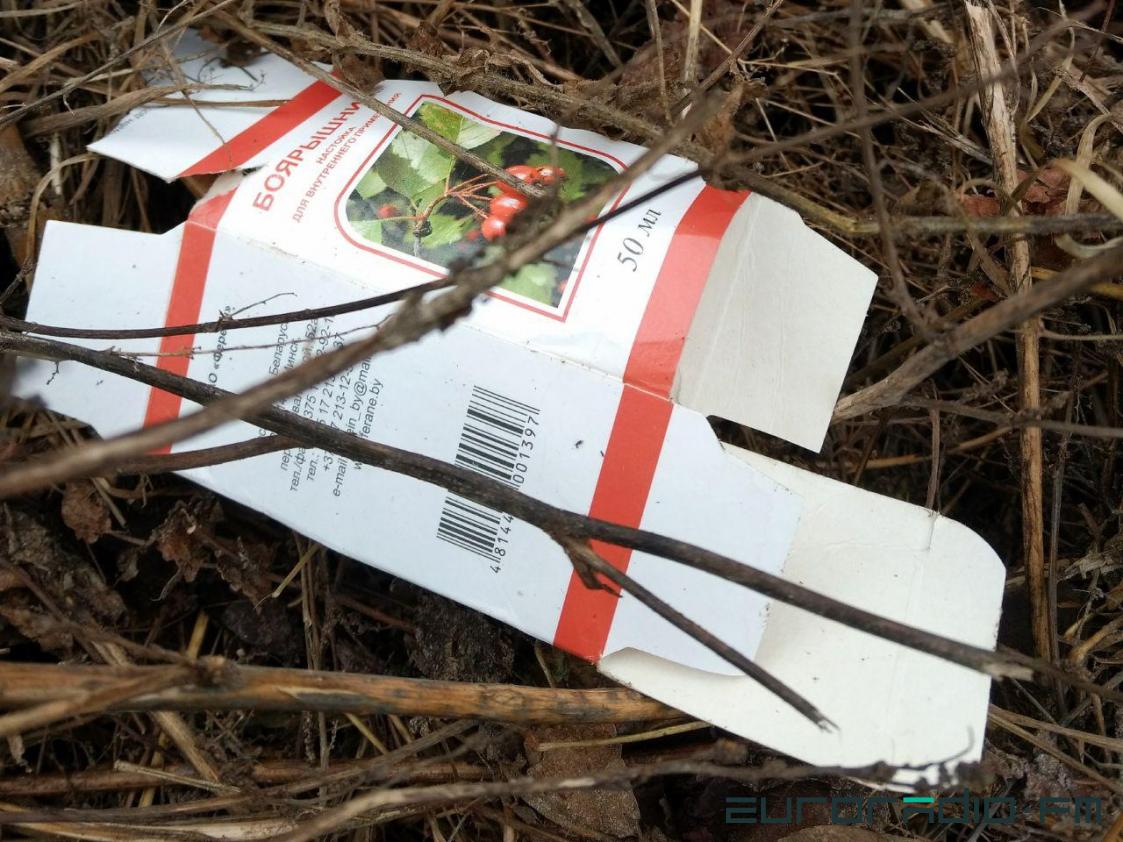
Standing around the pharmacy there is a lone man in a green padded jacket sucking on a bottle of Boyaryshnik, just as if he were nursing from his mother’s breast; he finishes his vodka and then vanishes into the cold air. Strewn over the ground are soft, opened packs of ‘Cordial’. Must be nervous people with cardiac problems that left them there. The pharmacy only sells a maximum of two phials per person.
“There’s no special rush today. Business as normal. And the same faces as usual. There’s a continual demand for nastoiki [infusions]. A knock-down price – 80 kopecks per phial”.
Two little bottles of “Boyaryshnik” contains 70% pure alcohol and is the equivalent of 200 grams of vodka. Not a bad start for the “Dry Day”.
The shops in Loyev are empty and sad-looking. There’s no “ogonyok” warming your hands. What’s interesting though is that even in small shops the shelves are glutted with alcohol. Only two kinds of juice, but when it comes to spirits, there’s something for everyone: Limoncello, Starka, Krupnik and an ocean of various liqueurs and syrups. Alcohol is profitable. People drink when they feel good but the same goes for when they’re down. People drink whatever the circs.
The town is frozen by the spring wind. The thin snow cuts into your face like sand. Everyone one is drinking as per normal. Everyone has some.
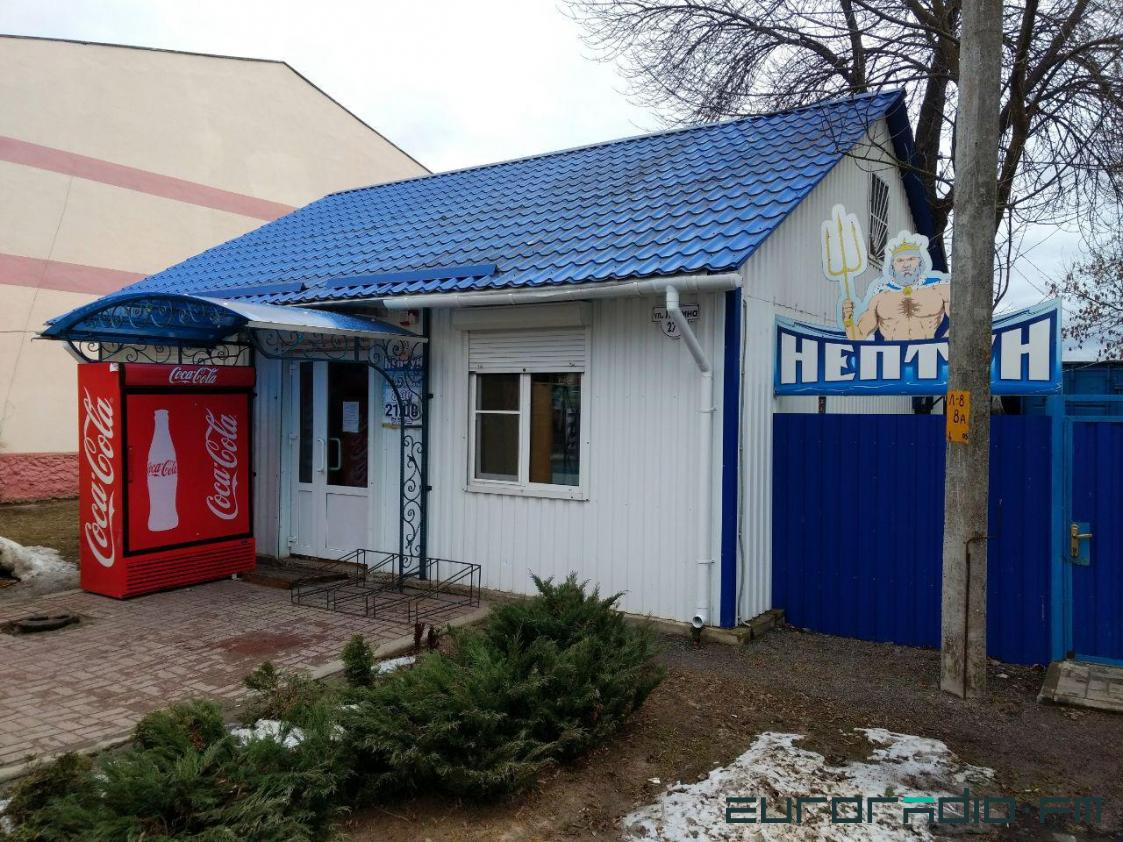
The ‘Neptune’ shop with its white-haired god, naked down to the waist. Inside there’s a constant smell of dry-cured and smoked fish. The saleswoman in a blue apron is embarrassed to say that yesterday, that is on the eve of the “Dry Day”, people were buying “as normal”.
“I didn’t notice any special rush. They bought everything: brandy, vodka, wine, berry liqueurs, infusions. Each according to his taste, and what they could afford. People drink a lot. But show me the place where they don’t”.
There’s a problem with the shops in Loyev. “Rodny kut” has closed down, its empty shelves are scary. They promised to open “Evro-opt” soon and even took on staff. But so far there are only privateers there.
“It’s all a load of b*lls, one day – that’s no time at all”
In the provinces there’s no money. But a rouble or two will always be found “for a booze up”. there’s no work and the young are leaving. The old stay behind and struggle on – where would they go anyway?
An elderly man in a grey jacket, angry and sober, hobbles along past the shops. There’s a notice on all the doors saying that today alcohol is not sold. He answers questions angrily, the wind breaking up his speech. His nose and eyes trickle.
It’s all a load of b*lls, one day is no time at all. I can’t buy drink today. And the bar’s expensive. But do you think that’s going to stop me? I’ll get myself invited somewhere”.
The dark, bare trees are swollen from the frost and damp. Wind-swept, they stand there silent, swaying the stumps of their branches and look forlornly at the sky. In towns like these the loneliness of humans is akin to the loneliness of the tree that the bird has just forsaken.

“It hurts when I drink. It hurts when I smoke. Living hurts”
In the district consumer society canteen the radio is relaying a speech by Lukashenko – that “Serious Talk” that lasted 7 hours 25 minutes:
“…even in terms of people’s incomes we’re worried less by Minsk and the oblast centres or even the raion centres (where one way or another we will solve the problems), as by the big towns of 100,000, where heaps of problems have piled up and we supposedly haven’t noticed it. How can these people cope? They need helping. So I decided to set up a project taking Orsha – a typical average town – as a basis…”
Inside they pour drinks – the “Dry Day” doesn’t affect canteens. The clients drink. It’s a bit like a wake. A man in a grey woollen jumper goes outside for a smoke. His name is Vladimir. He’s hurting.
“You’ve got to understand, Lyuda. It hurts when I drink. It hurts when I smoke. Living hurts”, he tells the canteen girl. Lyuda nods in silence. Vladimir draws on his cigarette.
He knows about the “Dry Day” – and sees no sense in it.
“I’ve been drinking for two days now, but I’ve got a reason. My mother died. People in Loyev drink, they drink heavily. The young people are leaving for Russia. And the old folks here are just surviving. These bans on alcohol are rubbish. But drunkenness and alcohol is a scourge. We need to try something different, we have to motivate people not to drink”.
The majority of the inhabitants of Loyev don’t even notice the “Dry Day”. They’re not interested, they see the notice on the door and walk by. Albeit with a sad look. They’re serving it in bars and for those who can’t afford it, there’s always the consolation: “A thirsty man will always find drink”.
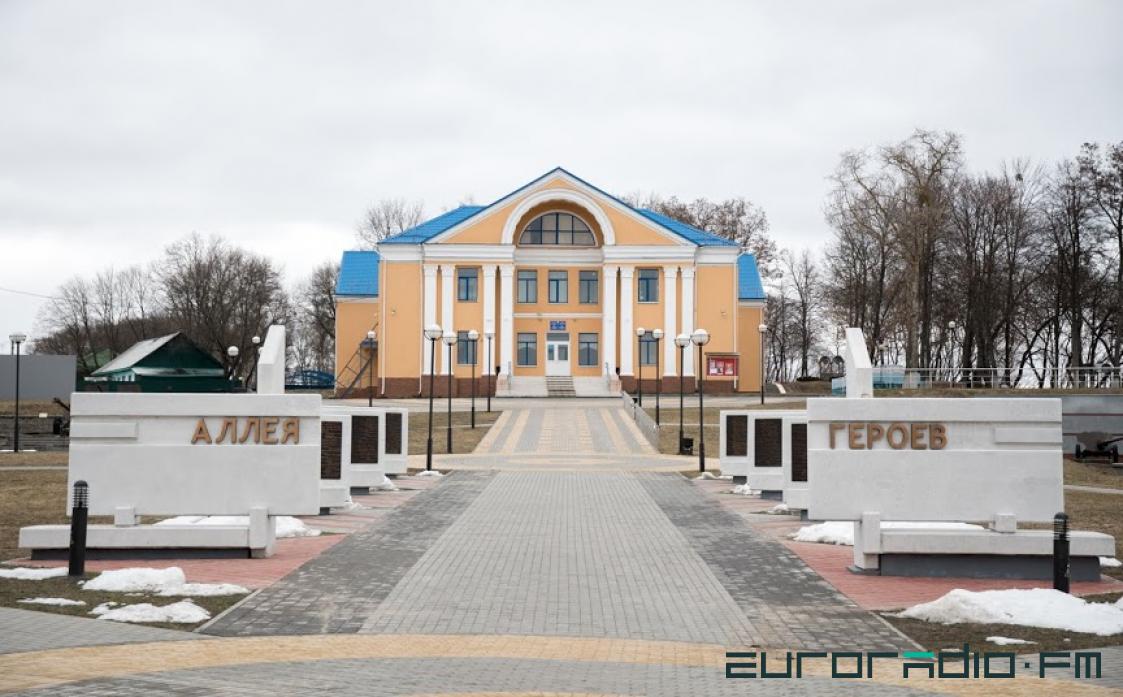
The workers are finishing the stage. Today is the official “Dry Day”, tomorrow the official start of spring. Folk dancers will be performing and local officials will be giving speeches on the stage. And just across the road, next to the Avenue of Glory to Fallen Heroes, the locals will be feasting on hot pancakes washed down by a ‘miniature’ bottle of vodka.
Shrovetide is older than the government represented by these officials. Older than their bans. Older than the Soviet system that reared them. Shrovetide, bonfires on the banks of the Dnieper, pancakes and setting fire to the symbols of winter – all of that is much older than even Loyev itself.
The gloomy banks of the Dnieper on the first day of March. The ice on the river hasn’t yet completely melted. Tomorrow, the bonfires, flaming skywards, sparks flying and hissing with tar, will accomplish their fate. And paganness along with drunken stupor will triumph. And in the hazy white sun or under the moonless dark sky jollity blurred by alcohol will seize hold of all and sundry.
They’ll be frying pancakes, the bonfires will burning away and the vodka-glasses will be filled. And winter will come to an end.