Connection, collaboration and trust: what journalism still depends on
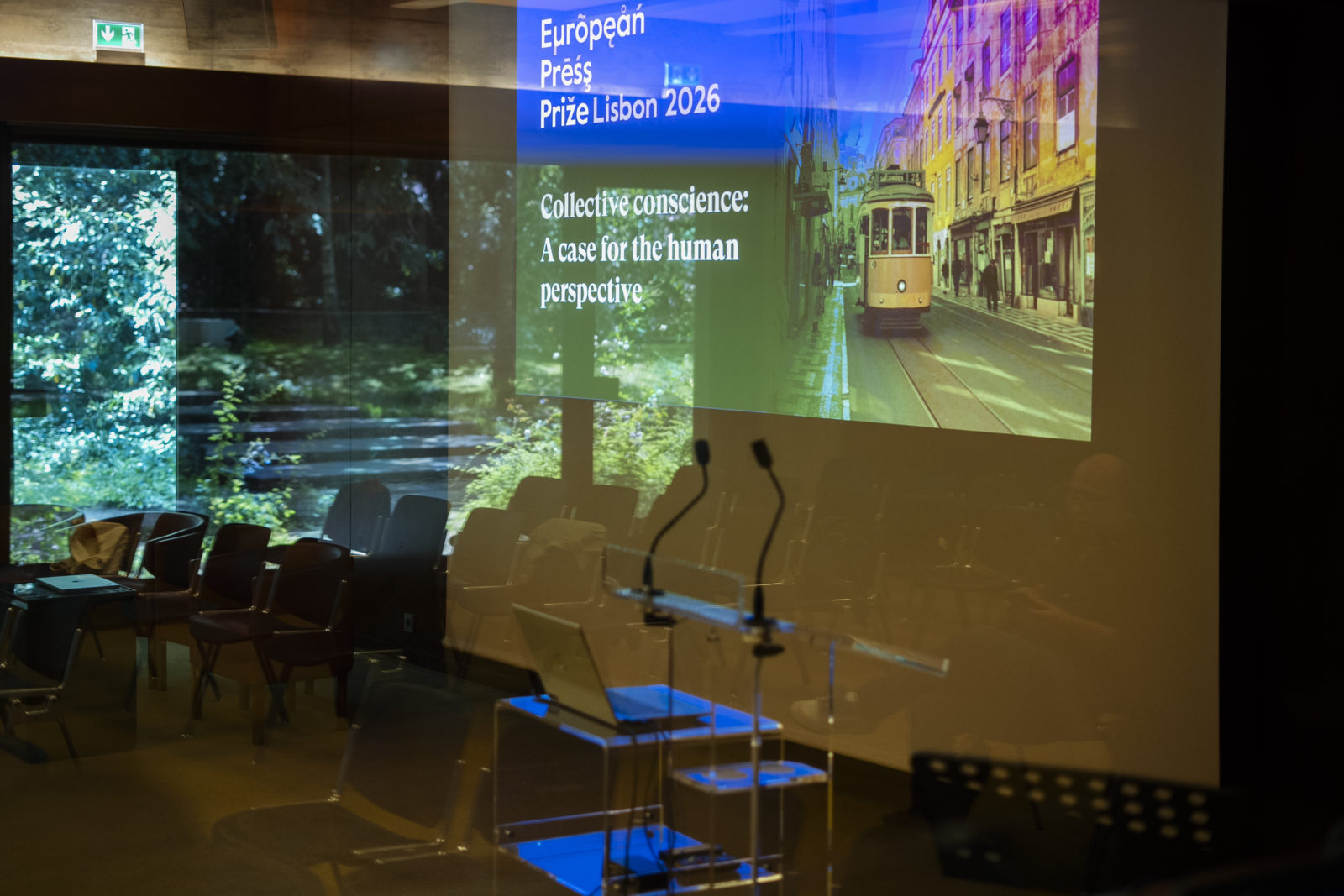
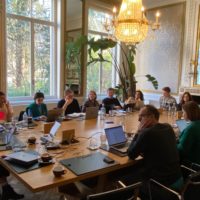
At the heart of the European Press Prize Lisbon 2026 was a belief that quality journalism is strengthened through conversation. Throughout the Collective conscience: A case for the human perspective programme in Lisbon, journalists from across Europe gathered to share experiences, challenge assumptions and reflect on the responsibilities their work carries in a time of political uncertainty, technological change and growing pressure on public trust.
Some were discussing artificial intelligence. Others were talking about cross-border investigations, environmental reporting, migration, accessibility, or the war in Gaza. Yet beneath the variety of topics was a shared conviction: journalism may be changing rapidly, but its value still depends on human judgement, human curiosity, and human connection.
At a time when newsrooms are navigating technological disruption, shrinking resources and growing political pressure, the conversations in Lisbon offered something more useful than predictions. They offered insight into what journalists are already doing to adapt.
Collaboration is becoming journalism’s infrastructure
The day began with a reminder that many of today’s biggest stories are simply too large for one reporter or one newsroom to tackle alone.
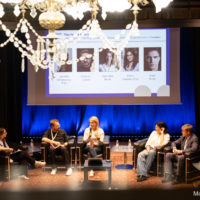
Stéphane Horel, Raphaëlle Aubert and Jose Miguel Calatayud from The Forever Lobbying Project, a cross-border collaboration on PFAS polluting Europe that has been decades in the making, vividly introduced their topic to our audience with a live journalism performance.
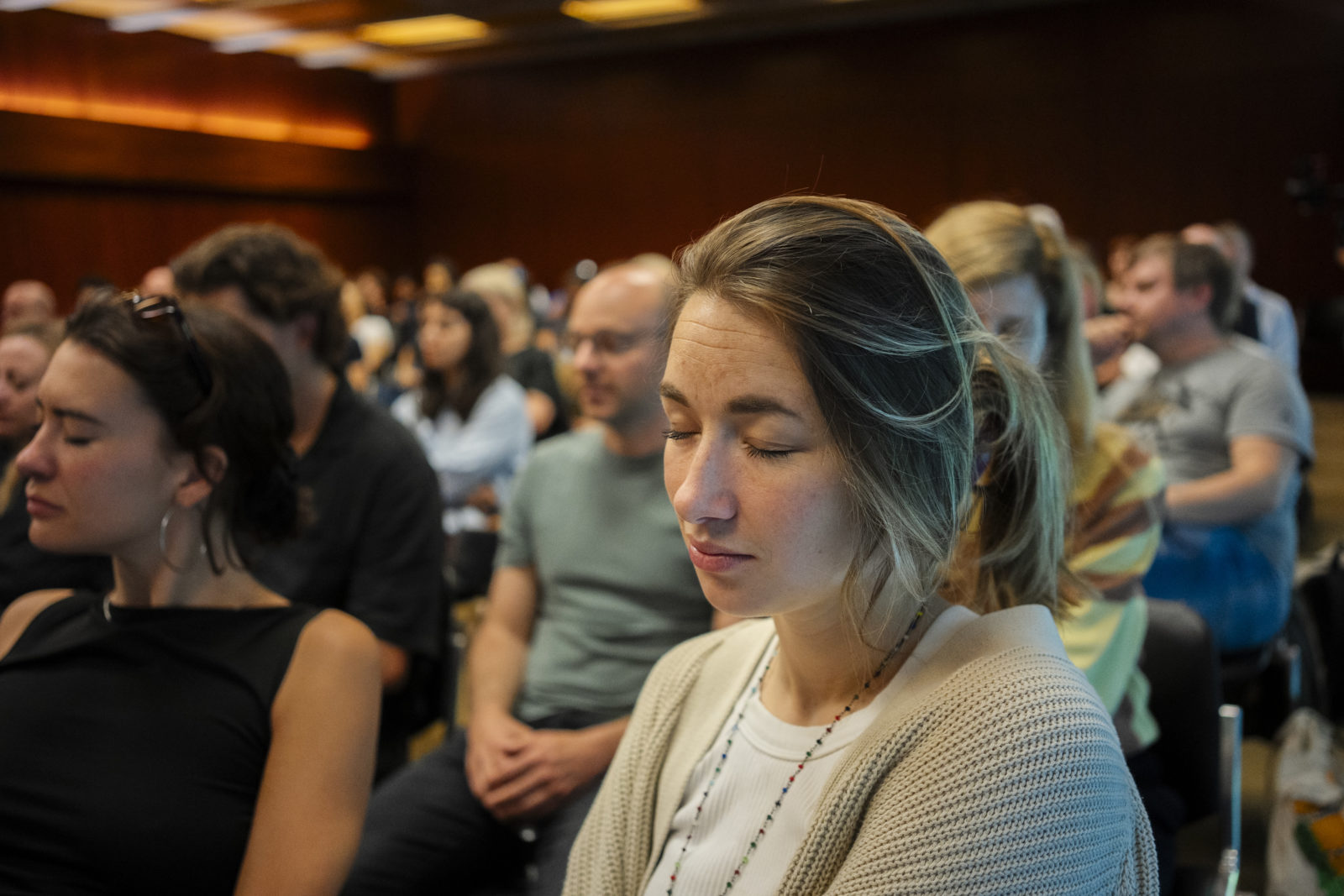
The first minutes of the live journalism performance were spent with eyes closed, listening to the sounds of forever chemicals.
After, during a panel moderated by Solomon’s Lydia Emmanouilidou, journalists from a range of collaborative projects reflected on what it takes to work across organisations, countries and disciplines. Their experiences varied widely, from international investigations involving dozens of media partners to smaller collaborations between freelancers, but many of the challenges sounded familiar.
“Sometimes it is a miracle that some journalism actually gets done,” Emmanouilidou observed.
For Sofia Cherici, part of the team behind Scrap wars, collaboration began with something deceptively simple: a rumour. As the story grew, so did the need for journalists with different expertise, local knowledge and skills. What started organically eventually required coordination, structure and trust.
Elisa Simantke, senior investigative editor at paper trail media, described a different reality: massive international investigations built around datasets so large that no single newsroom could realistically analyse them alone. In these projects, collaboration is not an added benefit, it is the only way the reporting can happen.
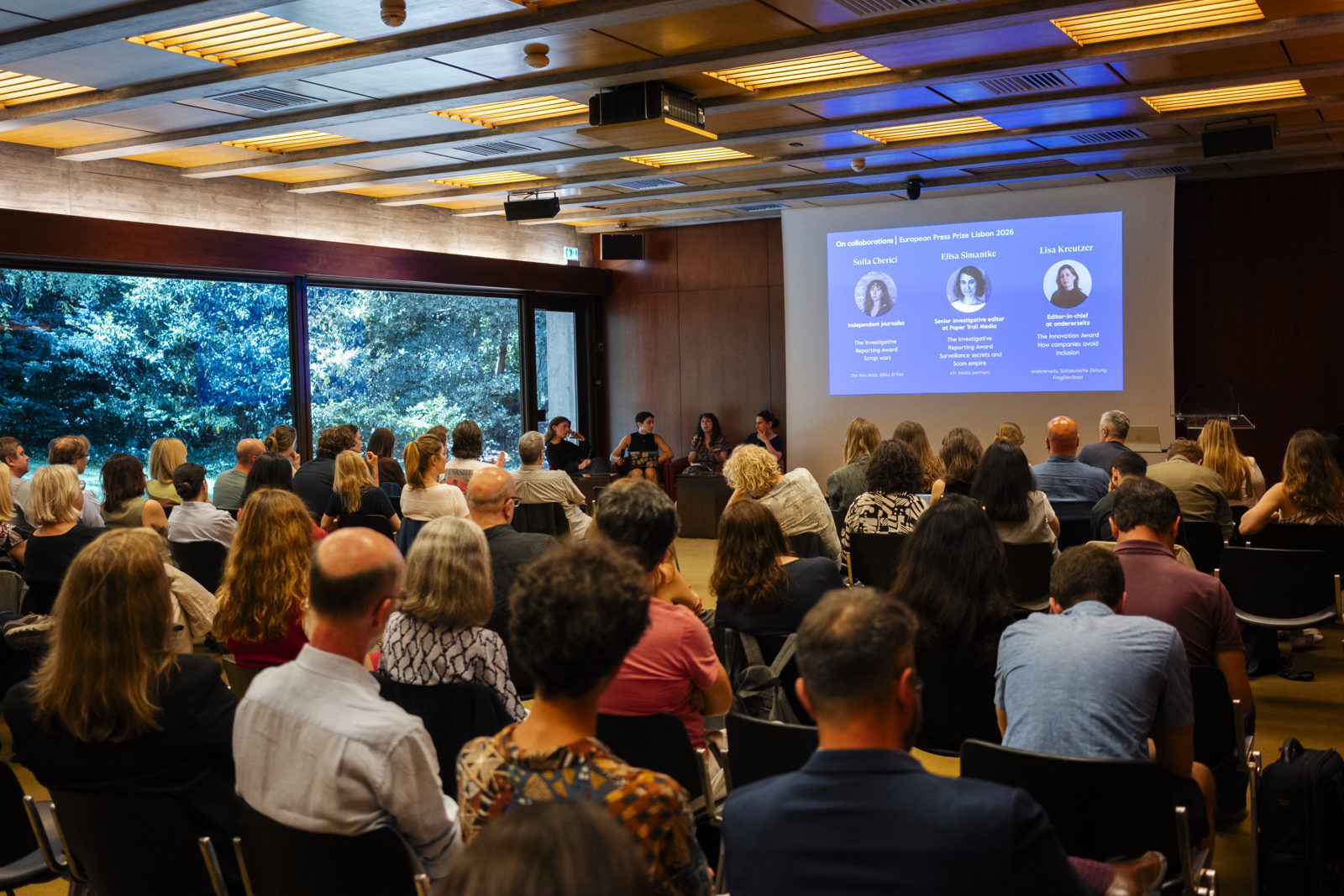
Yet the conversation went beyond logistics. Lisa Kreutzer, editor-in-chief of the Austrian publication andererseits, argued that collaboration also requires a willingness to rethink how journalism itself is organised.
As an inclusive newsroom where journalists with and without disabilities work together, andererseits approaches partnerships through the lens of accessibility from the outset. That means considering not only how stories are produced but also who is able to participate in producing them.
“The foundation of journalism is often built around hustle, competition and a certain way of working,” Kreutzer explained. “That excludes a lot of people.”
Her point resonated beyond accessibility. Again and again, speakers returned to the idea that good collaboration depends on creating structures that allow different perspectives, experiences and skills to contribute meaningfully.
To conclude, Elisa Simantke noted that journalists have become more hesitant to share their work in big Signal groups. She encouraged people to not shy away from doing so as informal places like this create new and exciting opportunities for collaboration.
Making technology understandable
Questions of technology surfaced repeatedly throughout the programme, nowhere more clearly than in a presentation from the team at Civio.
Journalists María Álvarez del Vayo, Carmen Torrecillas and Adrián Maqueda shared the story behind their shortlisted investigation Mole or cancer?, which examined an AI-powered diagnostic tool used in Spain’s public healthcare system.
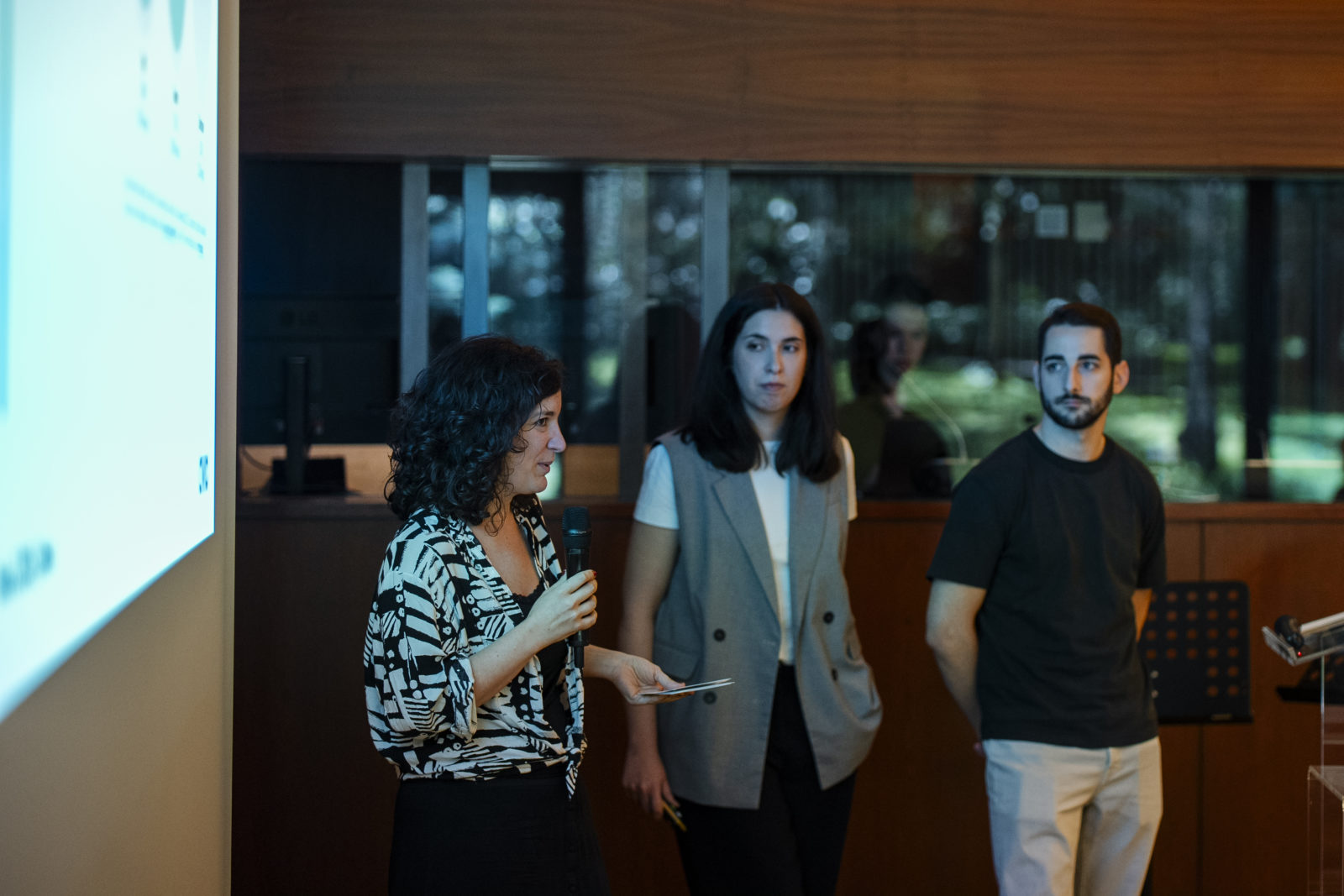
Their reporting revealed that the algorithm had been trained almost exclusively on images of white skin and missed nearly one in three melanomas in the only clinical study evaluating its performance. But the presentation was not only about artificial intelligence. It was also about explanation.
A statistic may be accurate, but accuracy alone does not guarantee understanding.
“A percentage tells you something,” the team noted, “but seeing what it represents tells you more.”
Throughout the investigation, Civio combined reporting, data analysis and visual storytelling to help readers understand not just how the system worked but what its limitations meant in practice. The team created visualisations that allowed audiences to place themselves within recognised skin type classifications and see how the algorithm’s shortcomings might affect real people.
At Civio, journalists and developers work side by side from the beginning of an investigation. The graphics are not added at the end to illustrate findings. They are an integral part of the reporting process itself.
The challenge, the team explained, is not simply making complex systems visible. It is simplifying them without turning them into something false.
That balance between complexity and accessibility surfaced elsewhere during the day as well. Whether discussing data investigations, collaborative projects or audience engagement, speakers repeatedly returned to the same question: how do you make difficult realities understandable without flattening them?
Reporting human suffering without reducing people to it
The programme’s final session brought together journalists reflecting on different forms of human suffering: migration routes marked by landmines, women’s experiences inside Portuguese prisons, and life in Gaza during war crimes.
Despite the differences between their subjects, the speakers shared similar concerns.
How do you verify information when access is limited?
How do you report on trauma responsibly?
How do you help audiences connect with distant realities without turning people into symbols?
For Maud Effting and Willem Feenstra, whose investigation What the wounds are telling us won this year’s Distinguished Reporting Award, these questions shaped every stage of their reporting. Unable to work directly inside Gaza, they relied on interviews with doctors and nurses who had worked there, collecting testimony, photographs, medical records and personal accounts to understand what they had witnessed.
The reporting required rigorous verification and difficult ethical decisions about evidence, anonymity and the publication of graphic material.
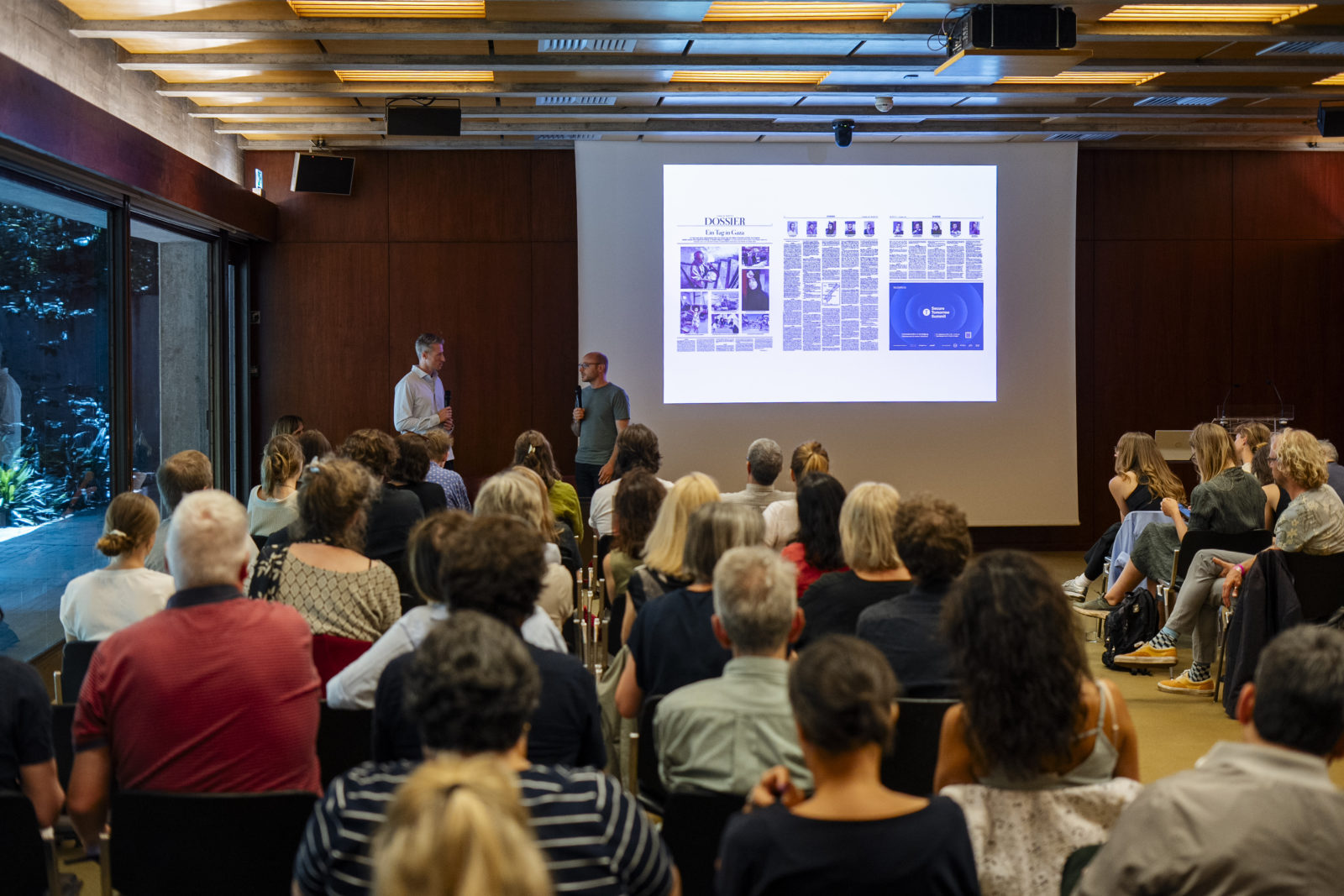
A different approach emerged in One day in Gaza, a project that followed ordinary people through a single day of their lives during the war. Rather than focusing exclusively on destruction, the reporting documented countless everyday decisions: searching for food, caring for relatives, studying, working, worrying, surviving.
The result was a portrait of a reality that often becomes abstract in international coverage.
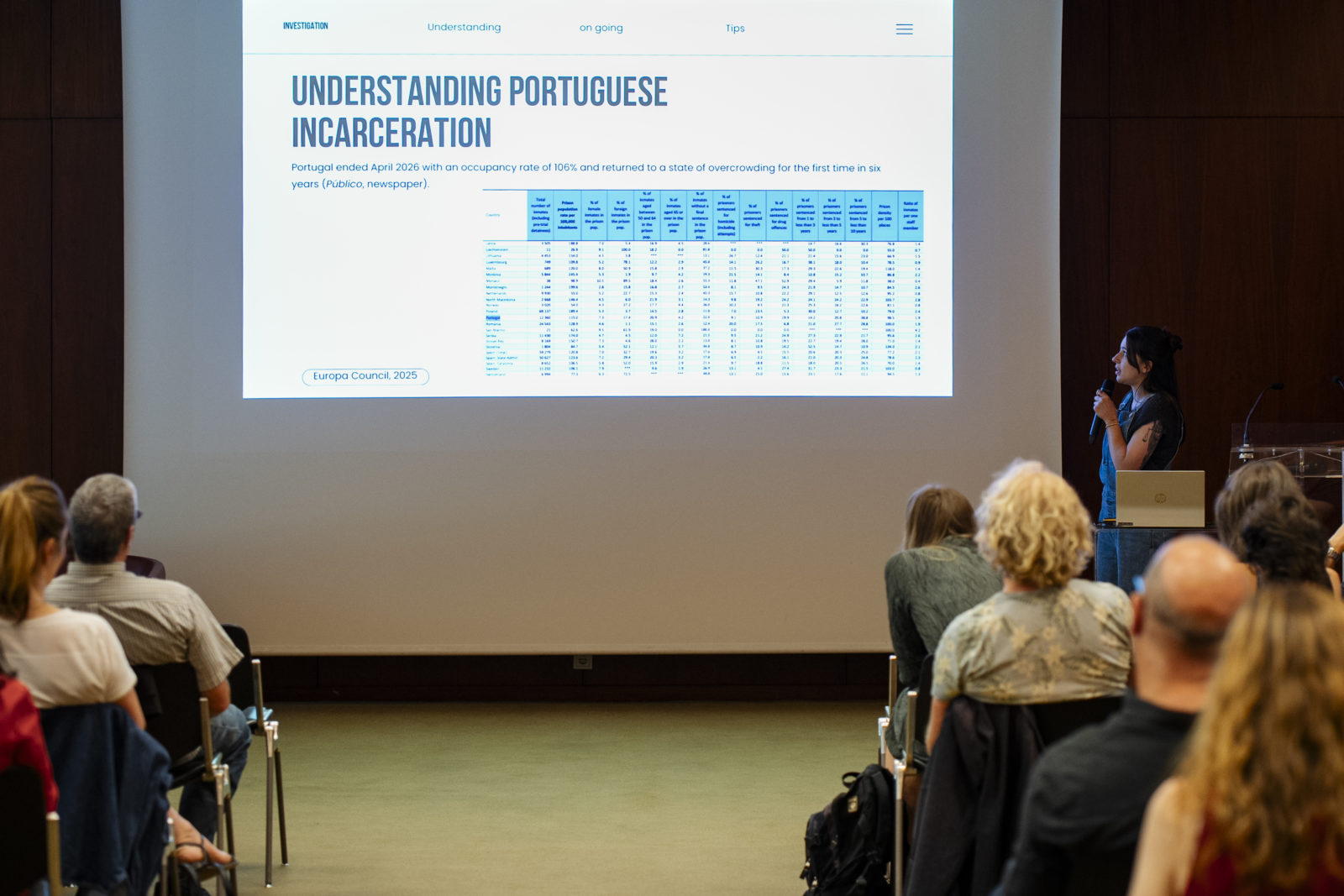
Afterwards, Portuguese journalist and 2024 Nominee Ana Patrícia Silva spoke about reporting on women in prison, where overcrowding, separation from children and inadequate access to basic necessities create challenges that often remain invisible to the wider public.
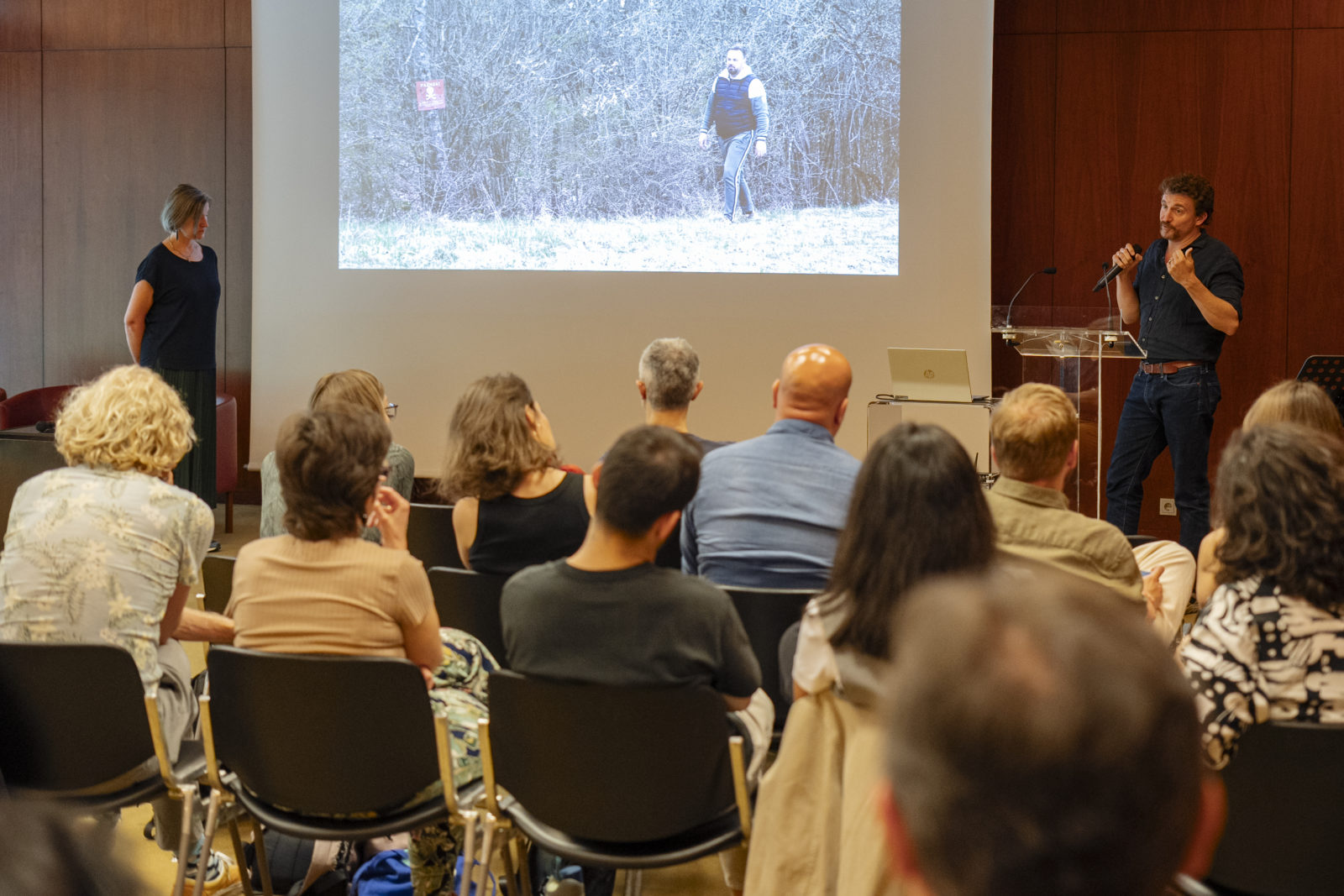
In the closing session, Nidžara Ahmetašević and Andrew Connelly reflected on their work about Bosnia’s abandoned minefields and the lives that are still shaped by them. Their conversation served as a reminder that journalism can also work across timelines. It can help us return to places where the consequences of past decisions continue to shape people’s lives even long after the public attention has moved on.
What united these projects was not their subject matter but their commitment to staying with difficult stories long enough for complexity to emerge.
The future remains human
Across the day, speakers discussed algorithms, leaks, collaborations, prisons, migration routes and war. Yet, the conversations kept returning to people: the communities affected by reporting, the colleagues who make investigations possible, the sources who trust journalists with their stories and the audiences trying to make sense of an increasingly complex world.
If there was a shared lesson from Lisbon, it was that journalism’s future will almost certainly involve more technology, more collaboration and more complexity.
But the work itself remains remarkably familiar.
It still begins with curiosity. It still depends on trust. And it still asks journalists to look closely at realities others might prefer to ignore and help the rest of us understand why they matter.
Year Report 2026
The future of journalism in conversation