A conversation with Rasmus Kleis Nielsen
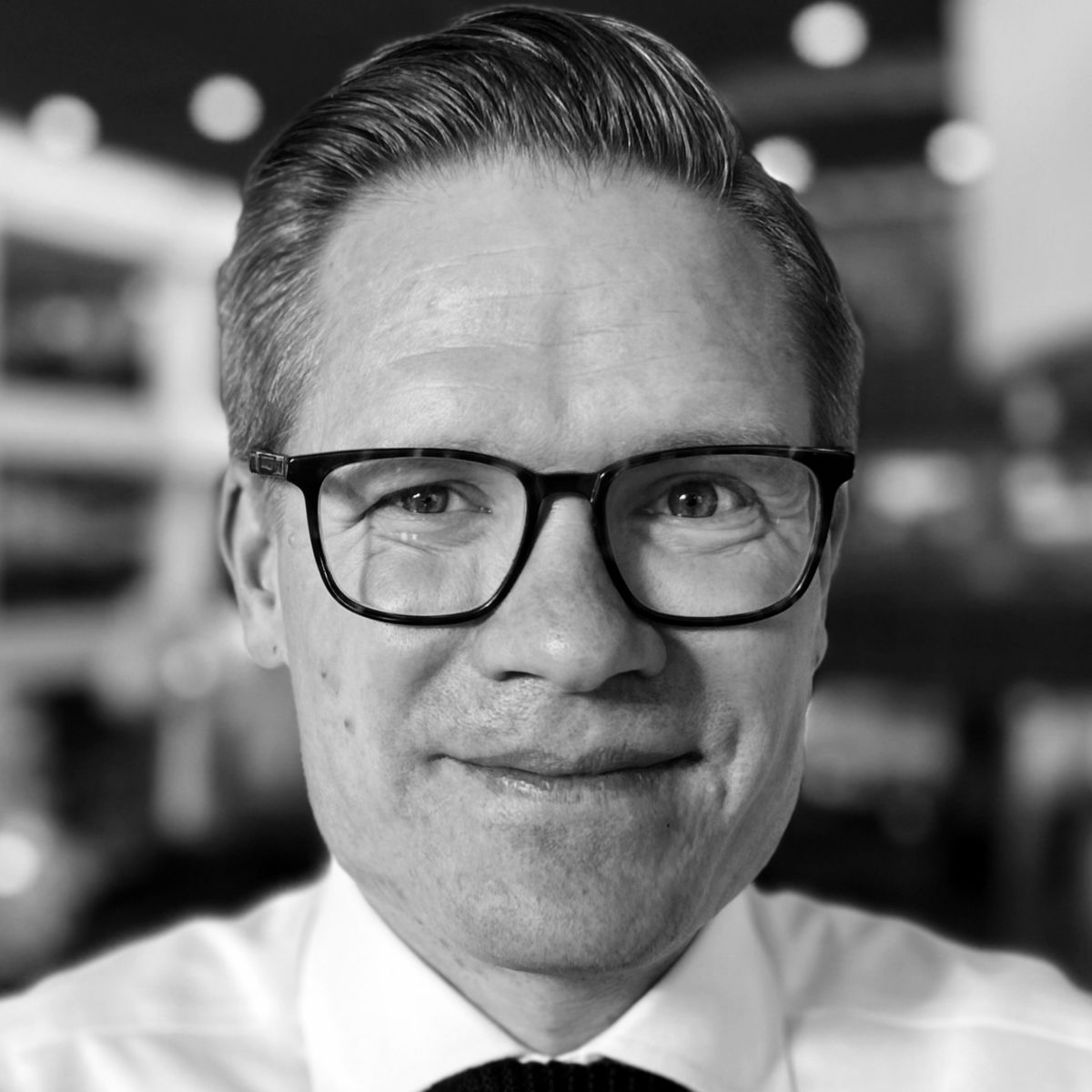
In March 2026, the European Press Prize officially welcomed Rasmus Kleis Nielsen to its Board. A leading voice in the world of journalism, Rasmus brings a strong set of academic insights and practical engagement with the challenges facing media today. To mark the occasion, we asked him a few questions about his motivation to join the European Press Prize, his views on the state of European journalism, and where he sees the sector heading in the years to come.
__
Why did you want to join the European Press Prize; what drew you to accepting our invitation to be part of the Board?
What does Europe stand for, what is the role of news and journalism today, and how do we recognise and celebrate work that helps people navigate the world beyond their personal experience? These are three questions I have been preoccupied with all my adult life, and the European Press Prize is a touchpoint for a community trying to answer all of them. By reporting on this strange, wonderful, and terrible continent we share. By doing journalism and evolving – even redefining – what it can be. And by doing work that shines a light in dark places and lifts up that which we can learn from. That is why I look forward to working with and learning from everyone involved in the European Press Prize, the staff, the Preparatory Committee, the other Board members, those who submit their work for our Awards, and, in a wider sense, the hundreds of thousands of journalists across Europe whose ideals these Awards also celebrate.
How do you view the position of European journalism, now and in the future?
It is the best of times and the worst of times, and a time to recognise both those who showcase the best and those who report on the worst. Every day, we see new examples of both an inspiring timeless commitment to seeking truth and reporting it and more timely exciting, innovative, new ways to do journalism, and we see journalism practiced with a greater humility and more sincere interest in the public that journalism ultimately serves and builds its work on than we have perhaps seen in the past. At the same time, journalism in Europe is also facing a multiplicity of crises, ranging from democratic backsliding and all-out authoritarianism in several countries to war, harassment, and attempts at intimidation to an uneven reckoning with how unevenly news has served many parts of the public historically to media capture and a severe disruption of inherited business models. I consider myself a cautious evidence-based optimist, but there is no benefit in underplaying the scale and scope of the challenges we face.
Where do you hope we’ll be as a sector in five years’ time, and what do you see as the main opportunities and risks?
I don’t know where we will be in five years’ time, but I know we are more likely to be in a better place if we try to get there together – the chance to help facilitate the community that wants to move forward, and that shared journey, is a large part of why I am excited to join the European Press Prize Board.
__
Across his reflections, Rasmus combines a clear-eyed assessment of the structural challenges facing journalism with a measured optimism about its future. He points to the importance of collective effort – within newsrooms, across borders, and through initiatives like the European Press Prize – in shaping what comes next. For him, the Prize is about strengthening a shared European community committed to advancing journalism in the years ahead. We are very pleased to welcome Rasmus on board!
What happens after publication?


Natalie Nougayrède to chair the Panel of Judges
Inside our Innovation Category