What it actually takes to judge European journalism
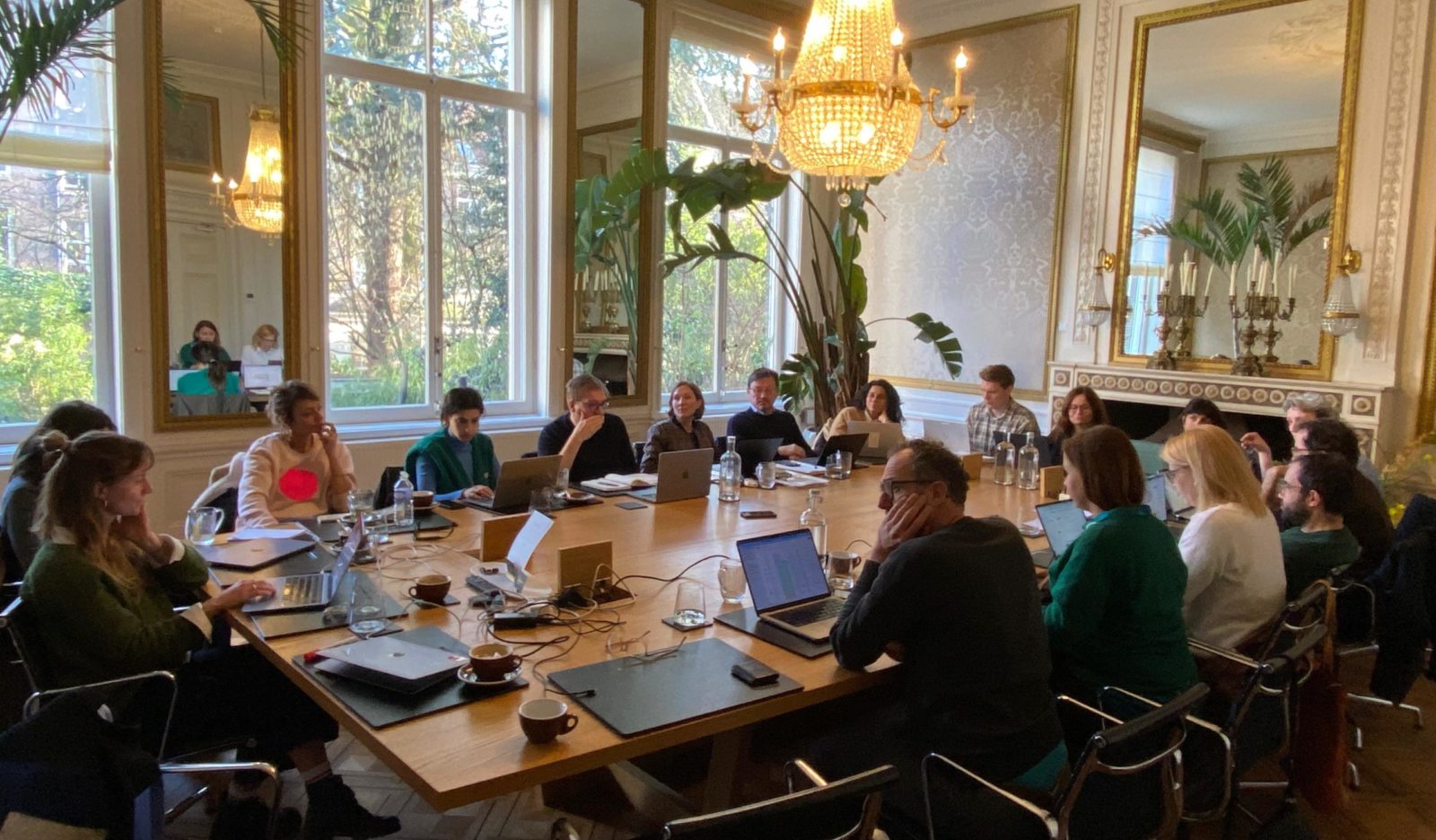
Every year, before the European Press Prize Shortlist is announced, something less visible happens. A group of journalists and media professionals from across Europe spends months reading. Hundreds of submissions, in dozens of languages, covering stories from war zones and courtrooms and hospital wards and street corners. They argue, reconsider, and argue again. Then they decide.
Most of that process has stayed behind closed doors. This year, we wanted to change that.
Ahead of the 2026 Shortlist announcement, we asked members of our Preparatory Committee to share what the judging process actually looks like from the inside. What they look for. Where the hard calls are. What separates a powerful story from a piece of excellent journalism.
Their answers say as much about the state of European journalism as anything on the Shortlist itself.
All stories have a chance
The European Press Prize receives submissions from newsrooms of every size, in every corner of Europe. One of the things that makes the judging process distinct is that scale is not a criterion.
Cristian Lupșa , Chair of the Preparatory Committee, puts it plainly: “All stories have a chance in this competition. And by that I mean stories from large outlets, small outlets, big international cross-border collaborations, but also poignant, well-written, and relevant stories that are of local importance to the place they’re told in. That came up again and again in the discussions, and it will be something visible in the Shortlist, too.”
This is not a small thing. In a media landscape where cross-border investigations with dozens of partners and terabytes of data attract significant attention, the commitment to judging a tightly reported local story by the same standard is a deliberate choice. It reflects what the European Press Prize means by quality journalism: not scale, not resources, but independence, public interest, and craft.
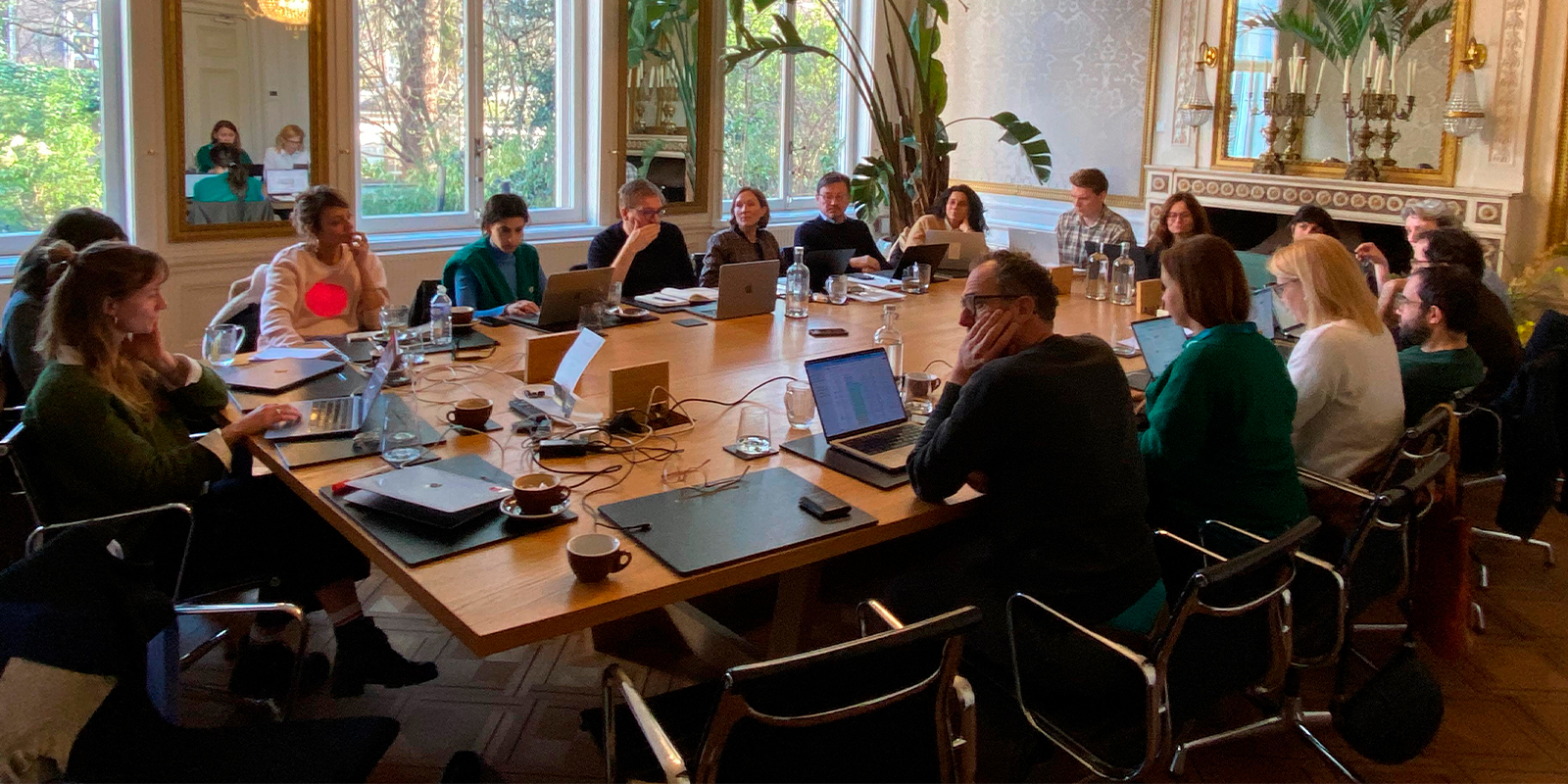
The European Press Prize PrepCom meeting, Amsterdam, 2026.
Emotional impact is not the same as journalistic excellence
Some of the submissions the PrepCom reads are harrowing. War reporting, stories of abuse, accounts of people failed by the systems meant to protect them. The emotional weight of the material is real. But feeling moved by a story is not the same as recognising it as excellent journalism.
Şebnem Arsu, a member of the Preparatory Committee, describes how she navigates that distinction: “Figures and statistics can be a dazzler but only up to a certain point. Data should serve to enhance a story, not replace it. I seek a balanced narrative that weaves rich datasets together with a strong human perspective. Achieving such balance requires a deliberate effort on the side of the journalists, constantly reminding themselves why their story mattered to the readership.”
Juliette Garside, also a PrepCom member, describes what she is looking for in simpler terms: “When judging I am looking for work that stands out. Either through fine writing, or a subject that feels relevant, urgent or surprising, or a powerful narrative. Hopefully all three. But above all, I look for reading that draws me in and absorbs me, for stories I want to share and retell.”
Reading across languages and cultures
The European Press Prize is pan-European in the fullest sense. Submissions arrive in dozens of languages. Judges read work from journalistic cultures with very different traditions, styles and relationships to the reader. Translation makes this possible, but it also creates its own challenges.
Veronika Munk, director of innovation at Denník N and a PrepCom member, has thought carefully about how to judge fairly across linguistic borders: “Great journalism has a specific heartbeat that translation cannot quiet. To judge fairly across cultures, I focus on structural integrity: does the narrative architecture hold up? I look at how the journalist handles evidence, the pacing of the reveals, and the logic of the argument. Good thinking is universal.”
But she is honest about where the limits lie. “The limits are most palpable in linguistic texture. Humor, slang, and cultural shorthand are the first things to get lost at the border. There is a specific kind of wordplay-driven brilliance or poetic rhythm inherent to languages like French or Hungarian that can feel flattened in English. In those moments, I rely on my colleagues who speak the original tongue to tell me: is this prose as breathtaking in the original as the facts are on the page?”
This is what peer review looks like in practice. Not a single arbiter applying a universal standard, but a group of professionals with different reading histories and language backgrounds, pooling their attention on the same body of work.
How a story is read matters as much as what it says
One of the more unexpected things to emerge from this year’s judging discussions is how much attention the PrepCom paid to the reader’s experience of a piece, not just its content.
Cristian Lupșa again: “We are increasingly paying attention to how a story actually feels from the point of view of the readers, who will most likely encounter it on their mobile phones. So we ask: how is that experience? How does it reach them? How easy is it to understand and to interact with? Of course, that is just one component of what we are looking at, but it is one that matters.”
This is a quiet but significant shift. Journalism has always been about reaching people. But in a media environment where a long investigation competes for attention with everything else on a phone screen, the question of how a story lands, not just what it contains, is increasingly part of what excellent journalism means.
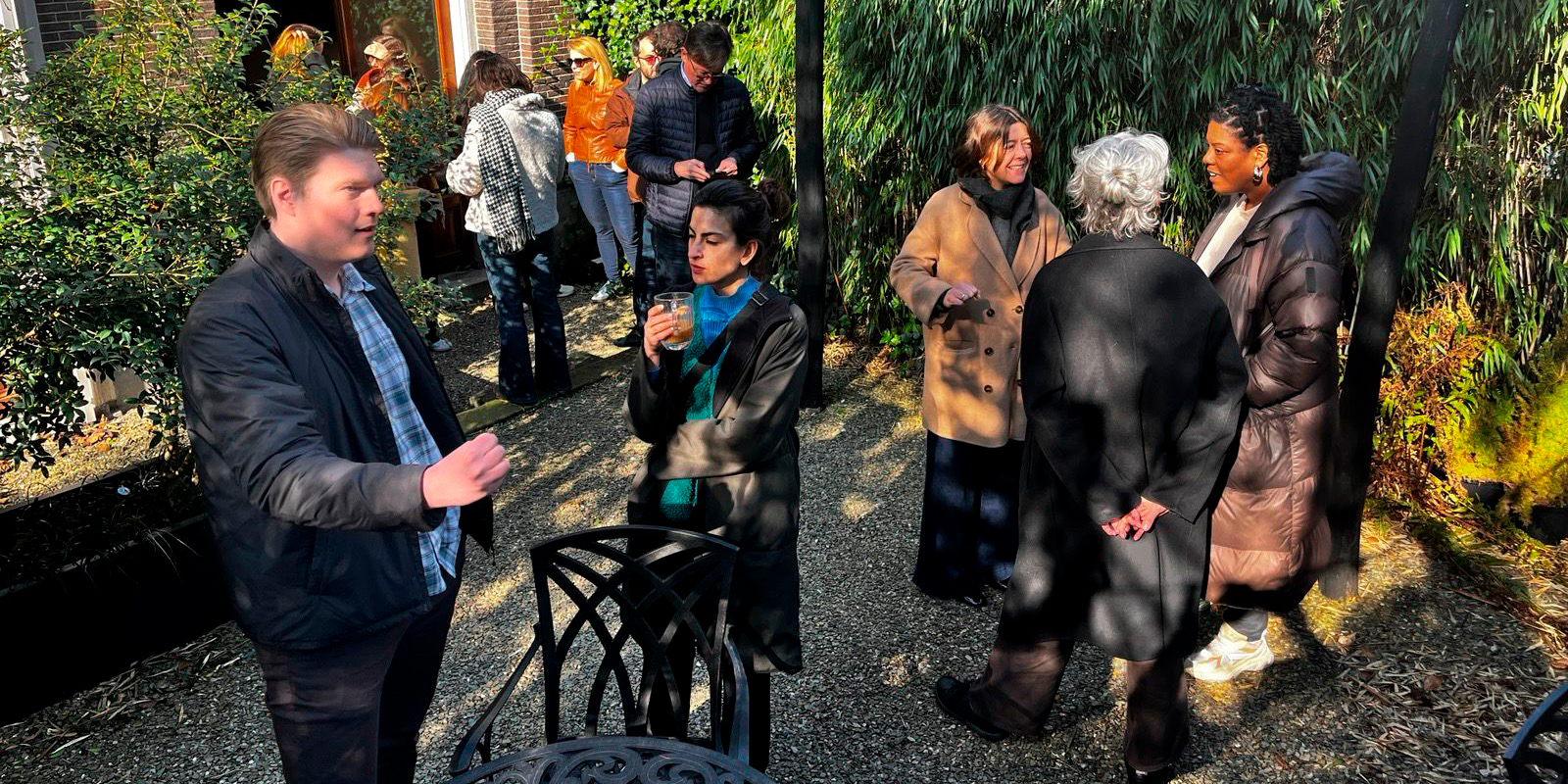
The European Press Prize PrepCom meeting, Amsterdam, 2026.
What the Shortlist will show
The 2026 Shortlist will be announced on 16 April at the International Journalism Festival in Perugia. What it will contain, by design, is a range. Large collaborations and solo investigations. Data-driven work and personal essays. Stories with continental reach and stories that matter most to the communities they were written for.
What connects them is not their scale or their subject matter. It is the standard they were held to: independent, in the public interest, clearly told, and honest about how and why the journalism was done.
That standard is what the PrepCom spent months applying. The Shortlist is the result.